What is Corporate Social Responsibility Framework? Your Guide
corporate social responsibility framework

What is Corporate Social Responsibility Framework? Your Guide

A robust CSR framework empowers businesses to integrate ethical, environmental, and social considerations into core operations, driving sustainable growth and positive impact.

Build Your CSR Strategy

Key Takeaways

  • ✓ A CSR framework provides a structured approach to integrating social and environmental concerns into business operations.
  • ✓ It goes beyond philanthropy, embedding responsibility into core strategy and decision-making.
  • ✓ Key components often include stakeholder engagement, ethical governance, environmental stewardship, and social impact.
  • ✓ Implementing a CSR framework can enhance brand reputation, attract talent, mitigate risks, and foster innovation.

How It Works

1
Assess Current Impact & Stakeholders

Identify your company's current social and environmental footprint. Engage with key stakeholders (employees, customers, communities, investors) to understand their expectations and concerns.

2
Define Vision, Mission & Goals

Articulate your CSR vision and mission, aligning them with your overall business objectives. Set specific, measurable, achievable, relevant, and time-bound (SMART) goals for your CSR initiatives.

3
Develop & Implement Strategies

Design programs and policies across environmental, social, and governance (ESG) areas. Integrate these strategies into daily operations, ensuring clear roles, responsibilities, and resource allocation.

4
Monitor, Evaluate & Communicate

Regularly track progress against your defined goals using relevant metrics. Evaluate the effectiveness of your initiatives and transparently communicate your performance and impact to stakeholders.

Understanding the Core: What is a Corporate Social Responsibility Framework?

Sleek modern building facade featuring geometric lines and glass panels against a blue sky. Photo: REFARGOTOHP / Pexels
In today's interconnected world, businesses are increasingly recognized as powerful agents of change, holding significant influence over society and the environment. This recognition has propelled the concept of Corporate Social Responsibility (CSR) from a niche concern to a strategic imperative. But what exactly is a Corporate Social Responsibility framework? At its heart, a CSR framework is a structured, systematic approach that organizations adopt to integrate ethical, social, and environmental considerations into their business operations and interactions with stakeholders. It moves beyond mere philanthropic gestures or compliance with laws, aiming instead to embed responsible practices into the very DNA of the company. Think of it as a blueprint for how a company plans to contribute positively to society while achieving its economic objectives. It provides guidelines for decision-making, outlines key areas of focus, and establishes mechanisms for measuring and reporting progress. Without such a framework, CSR efforts can be fragmented, inconsistent, and ultimately less impactful. A well-defined framework ensures that all CSR initiatives are aligned with the company's values, strategic goals, and stakeholder expectations, creating a coherent and sustainable approach to responsible business. The essence of a CSR framework lies in its proactive nature. Rather than reacting to social or environmental pressures, companies with robust frameworks anticipate these challenges and integrate solutions into their core business model. This includes everything from ensuring ethical supply chains and fair labor practices to minimizing environmental footprint, investing in community development, and upholding strong governance standards. It's about recognizing that long-term business success is inextricably linked to the well-being of the planet and its people. A comprehensive framework addresses the 'how' of CSR – how a company identifies its responsibilities, how it plans to meet them, and how it will demonstrate its commitment and progress. It serves as a compass, guiding an organization through the complex landscape of stakeholder demands, regulatory requirements, and ethical considerations, ultimately fostering a more resilient and respected enterprise. For a deeper dive into related concepts, explore sustainable business practices and their foundational role in modern corporate strategy.

Key Pillars and Components of an Effective CSR Framework

Upward view of modern architecture with tall concrete pillars and glass ceilings. Photo: cottonbro studio / Pexels
While the specific elements of a CSR framework can vary depending on industry, size, and geographic location, several core pillars and components are universally recognized as essential for effectiveness. These pillars provide a comprehensive structure for addressing the multifaceted dimensions of corporate responsibility. Firstly, **Environmental Stewardship** is paramount. This pillar focuses on minimizing a company's ecological footprint, encompassing efforts such as reducing greenhouse gas emissions, conserving natural resources, managing waste responsibly, and promoting sustainable sourcing. It involves adopting greener technologies, optimizing energy efficiency, and often engaging in initiatives that restore or protect natural ecosystems. Companies might set ambitious carbon neutrality targets or invest in renewable energy to demonstrate their commitment. Secondly, **Social Impact and Community Engagement** form another critical pillar. This involves a company's commitment to improving the well-being of its employees, customers, and the broader communities in which it operates. Key aspects include ensuring fair labor practices, promoting diversity, equity, and inclusion (DEI), supporting employee development, safeguarding customer privacy, and investing in local community programs through volunteering, donations, or partnerships. It's about creating shared value and addressing societal challenges relevant to the business's operations and expertise. For instance, a tech company might offer coding workshops to underprivileged youth, or a food manufacturer might support local food banks. Thirdly, **Ethical Governance and Transparency** underpins the entire framework. This pillar ensures that the company operates with integrity, accountability, and honesty. It includes establishing robust ethical codes of conduct, implementing anti-corruption policies, ensuring transparent reporting of financial and non-financial performance, and upholding strong data privacy and security measures. Good governance is the foundation upon which all other CSR efforts are built, fostering trust among stakeholders and demonstrating genuine commitment. This pillar also often includes robust risk management strategies related to social and environmental factors. Finally, **Stakeholder Engagement** is not just a component but an overarching principle that permeates all pillars. An effective CSR framework actively seeks to identify, understand, and engage with all relevant stakeholders – employees, customers, investors, suppliers, regulators, and local communities. This engagement is crucial for understanding expectations, identifying material issues, co-creating solutions, and building long-term relationships based on mutual trust and respect. Regular dialogue, surveys, and collaborative initiatives ensure that the CSR strategy remains relevant and responsive to evolving societal needs and expectations, making the framework dynamic and adaptable rather than static. These interconnected pillars ensure a holistic approach to corporate responsibility, driving meaningful and sustainable impact.

Implementing and Integrating Your CSR Framework for Maximum Impact

Team analyzing business reports and charts during a collaborative meeting. Photo: Pavel Danilyuk / Pexels
Implementing a CSR framework isn't a one-time project; it's an ongoing journey that requires strategic planning, dedicated resources, and consistent effort. The true value of a framework lies in its integration into the company's core business strategy and daily operations. The first step involves gaining strong **leadership commitment**. Without buy-in from the top, CSR initiatives can quickly lose momentum or be perceived as peripheral. CEOs and boards must champion the framework, allocate necessary resources, and demonstrate their personal commitment to its success. This leadership endorsement signals to all employees and external stakeholders that CSR is a strategic priority, not just a public relations exercise. Next, **materiality assessment** is crucial. This process involves identifying and prioritizing the most significant environmental, social, and governance (ESG) issues relevant to your business and its stakeholders. Not every issue can be tackled at once, so understanding which issues have the greatest impact on your business and your stakeholders helps focus efforts and resources effectively. This often involves engaging external experts, conducting surveys, and analyzing industry trends. Once material issues are identified, clear, measurable **goals and targets** must be established. These should be quantitative where possible (e.g., reduce water consumption by 20% by 2025) and linked to specific timelines, making progress trackable and accountable. **Integration into operations** is where the rubber meets the road. This means embedding CSR principles into procurement policies, product design, manufacturing processes, human resources practices, and marketing strategies. For example, a company might revise its supplier code of conduct to include strict environmental and labor standards, or develop new products with a lower carbon footprint. Training employees at all levels is also vital to ensure they understand their role in achieving CSR goals and can actively contribute. This fosters a culture of responsibility throughout the organization. Finally, **measurement, reporting, and communication** are indispensable. Companies must establish robust systems to track key performance indicators (KPIs) related to their CSR goals. Regular reporting, often through annual CSR or sustainability reports, demonstrates transparency and accountability to stakeholders. Utilizing internationally recognized reporting standards like GRI (Global Reporting Initiative) can enhance credibility. Effective communication, both internally and externally, ensures that stakeholders are aware of the company's efforts, progress, and challenges. This builds trust, enhances reputation, and can even attract socially conscious investors and customers. By following these steps, companies can ensure their CSR framework is not just a document, but a living, breathing part of their business that drives real, positive change. For further insights into integrating these practices, explore resources on ESG framework implementation.

Common Pitfalls and Best Practices in CSR Framework Development
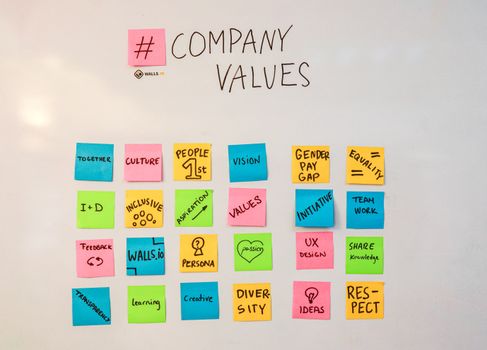
A display of company values using colorful sticky notes on a whiteboard. Photo: Walls.io / Pexels
Developing and implementing a CSR framework is a complex undertaking, and organizations often encounter challenges. Understanding common pitfalls can help companies navigate these hurdles and build a more robust and impactful framework. One significant pitfall is **"greenwashing" or "CSR washing,"** where a company makes unsubstantiated or misleading claims about its environmental or social performance. This erodes trust and can severely damage reputation. Another common mistake is a **lack of strategic alignment**, where CSR initiatives are disconnected from the core business strategy, making them feel like an add-on rather than an integral part of the company's purpose. Similarly, **insufficient stakeholder engagement** can lead to frameworks that address issues not deemed material by key groups, or fail to gain necessary support. **Lack of clear metrics and reporting** is another pitfall, making it difficult to measure impact, demonstrate progress, and hold individuals accountable. Without quantifiable goals and transparent reporting, CSR efforts can become vague and unproven. Furthermore, **under-resourcing** CSR initiatives, both in terms of budget and personnel, can doom even the best-intentioned frameworks to failure. Effective CSR requires dedicated investment. To avoid these pitfalls, here are some best practices: * **Integrate CSR into Core Business Strategy:** Ensure CSR objectives are woven into the company's overall vision, mission, and strategic planning. It should be seen as a driver of innovation and competitive advantage, not just a cost center. * **Conduct a Robust Materiality Assessment:** Systematically identify and prioritize the most relevant ESG issues for your business and stakeholders. Focus resources where they can have the greatest impact. * **Engage Stakeholders Authentically:** Establish ongoing dialogue with employees, customers, investors, suppliers, and communities. Listen to their concerns and incorporate their feedback into your strategy. * **Set Clear, Measurable Goals and KPIs:** Define specific, measurable, achievable, relevant, and time-bound (SMART) targets for your CSR initiatives. Use data to track progress and demonstrate impact. * **Ensure Leadership Buy-in and Allocate Adequate Resources:** Secure commitment from the highest levels of management and provide the necessary budget, staff, and time for successful implementation. * **Promote Transparency and Accountability:** Regularly report on your CSR performance using recognized standards (e.g., GRI, SASB). Be honest about challenges and successes. * **Foster a Culture of Responsibility:** Educate and empower employees at all levels to understand and contribute to the company's CSR goals. Make responsible behavior part of the company's DNA. * **Collaborate and Partner:** Work with NGOs, industry peers, and other organizations to amplify impact and share best practices. Collective action can address systemic challenges more effectively. By adhering to these best practices, companies can build a CSR framework that is not only robust and credible but also drives genuine positive change and long-term business value. Avoiding common missteps ensures that CSR efforts translate into tangible benefits for both the organization and society at large.

Comparison

FeatureComprehensive CSR FrameworkAd Hoc PhilanthropyBasic Compliance
Strategic Alignment✓ Integrated into core business strategy✗ Often separate, opportunistic✓ Meets minimum legal requirements
Scope of ImpactHolistic (environmental, social, governance)Narrow (focused on specific causes)Limited (avoiding penalties)
Measurement & ReportingRobust KPIs, transparent reports (e.g., GRI)Informal, anecdotal reportingLegal filings only
Stakeholder EngagementActive, ongoing dialogue with diverse groupsLimited to beneficiaries/donorsMinimal, reactive to regulations
Risk MitigationProactive identification and management of ESG risksReactive to reputational issuesCompliance-driven risk avoidance
Long-term Value CreationEnhances brand, attracts talent, fosters innovationShort-term reputational boostPrevents legal issues, no added value

What Readers Say

"Understanding what is a corporate social responsibility framework completely transformed how our small business approaches community engagement. It's not just about giving back, but integrating those values into every decision."

Sarah J. · Seattle, WA

"Our company struggled with fragmented sustainability efforts until we implemented a structured CSR framework. It provided the clarity and direction we desperately needed, uniting our teams under a common purpose."

Mark D. · Austin, TX

"The detailed guidance on what is corporate social responsibility framework helped us reduce our carbon footprint by 15% in two years. It's amazing how a clear roadmap can drive such significant, measurable results."

Emily R. · New York, NY

"While the initial setup of our CSR framework was challenging, the long-term benefits in employee morale and brand reputation have been undeniable. It's a significant investment, but one that pays dividends."

David L. · Chicago, IL

"As an investor, I prioritize companies with robust CSR frameworks. This article clearly explained what is a corporate social responsibility framework and reinforced why it's a crucial indicator of future-proof leadership."

Jessica M. · Denver, CO

Frequently Asked Questions

What is the primary benefit of having a corporate social responsibility framework?

The primary benefit is that it provides a systematic and strategic approach to integrating social, environmental, and ethical considerations into core business operations. This leads to enhanced brand reputation, improved stakeholder relations, better risk management, increased employee engagement, and long-term sustainable value creation, moving beyond just compliance to proactive impact.

Is a CSR framework only for large corporations?

No, a CSR framework is beneficial for businesses of all sizes. While large corporations may have more resources to dedicate, even small and medium-sized enterprises (SMEs) can develop scaled-down frameworks to guide their responsible practices, enhancing their local impact and competitive edge. The principles remain the same, adapted to the company's specific context.

How do I start building a CSR framework for my company?

Begin by assessing your current impact and identifying key stakeholders. Then, define your CSR vision and mission, aligning them with business goals. Conduct a materiality assessment to prioritize issues, set SMART goals, and develop strategies. Finally, integrate these strategies into operations, establish measurement systems, and transparently report on your progress.

What is the cost associated with implementing a CSR framework?

The cost varies significantly based on the company's size, industry, and the ambition of its CSR goals. It can involve investments in new technologies, process changes, employee training, and reporting. However, many companies find that these costs are offset by benefits such as reduced operational expenses (e.g., energy savings), enhanced brand value, talent attraction, and improved risk management, leading to a positive return on investment in the long run.

How does a CSR framework differ from an ESG framework?

While often used interchangeably, CSR (Corporate Social Responsibility) is a broader concept encompassing a company's commitment to ethical and societal well-being. ESG (Environmental, Social, Governance) is a more specific framework used by investors to evaluate a company's sustainability and ethical performance, often focusing on quantifiable metrics. A CSR framework guides a company's internal actions and external impact, while ESG is often the lens through which external stakeholders assess those actions.

Who within a company is responsible for a CSR framework?

Ultimately, responsibility for a CSR framework rests with senior leadership and the board of directors, who set the strategic direction. However, its implementation typically involves cross-functional teams, with dedicated CSR or sustainability managers, HR, operations, and marketing departments all playing crucial roles in integrating and executing initiatives throughout the organization. It's a collective effort.

Are there any risks to implementing a CSR framework?

While the benefits generally outweigh the risks, potential challenges include the risk of 'greenwashing' if claims aren't backed by action, financial investment without clear ROI in the short term, potential for backlash if initiatives are perceived as inauthentic, and the complexity of managing diverse stakeholder expectations. Careful planning, transparent communication, and genuine commitment are key to mitigating these risks.

What are the future trends for corporate social responsibility frameworks?

Future trends include increased focus on supply chain transparency and due diligence, greater emphasis on social equity and justice (beyond diversity), the integration of AI and technology for impact measurement, stronger links to climate resilience and adaptation, and the rise of mandatory ESG reporting. Frameworks will become more sophisticated, data-driven, and intrinsically tied to financial performance and regulatory compliance.

Ready to move beyond basic compliance and build a truly impactful business? Understanding what is a corporate social responsibility framework is your first step towards integrating ethics, sustainability, and social value into your core operations. Start crafting your unique CSR blueprint today and drive positive change for your company and the world.

Topics: corporate social responsibility frameworkCSR strategysustainable business practicesESG frameworksocial impact
Leo List

IE Escorts NO Escorts US Escorts NZ Escorts AU Escorts
Brampton weed
Adultwork EstrelaBet Vai de Bet R7 Bet Betão Galera Bet Rainbet Bet9ja Shop SportyBet BetKing Sisal Loto Foot Hollywoodbets YesPlay Odibets RushBet Jugabet BetWarrior BetCity MSport betPawa Fortebet