
Mastering Corporate Tax Planning Strategies for Growth
Proactively manage your tax obligations and maximize your company's financial potential.
Optimize Your Taxes NowKey Takeaways
- ✓ Effective corporate tax planning can significantly reduce a company's tax burden.
- ✓ US corporate tax law is complex and requires specialized expertise for optimal planning.
- ✓ Proactive strategies are more effective than reactive measures in tax management.
- ✓ Ignoring tax planning can lead to missed opportunities and potential penalties.
How It Works
We begin by thoroughly analyzing your company's financial statements, historical tax returns, and future business objectives. This comprehensive review forms the foundation for tailored strategy development.
Our experts pinpoint specific deductions, credits, and deferral methods applicable to your business structure and industry. This involves deep dives into IRS codes and state regulations to find every legitimate advantage.
A customized tax plan is formulated, outlining actionable steps and timelines for implementation. We guide your team through each stage, ensuring proper documentation and compliance.
Tax laws and business conditions evolve, so we continuously monitor the plan's effectiveness and make necessary adjustments. This ongoing process ensures your strategy remains optimized and compliant for long-term success.
Understanding the Fundamentals of US Corporate Taxation
 Photo: Kindel Media / Pexels
Leveraging Deductions, Credits, and Deferrals for Tax Optimization
 Photo: Nataliya Vaitkevich / Pexels
Strategic Considerations for International and State & Local Tax (SALT) Planning
 Photo: Towfiqu barbhuiya / Pexels
Common Pitfalls and Best Practices in Corporate Tax Management
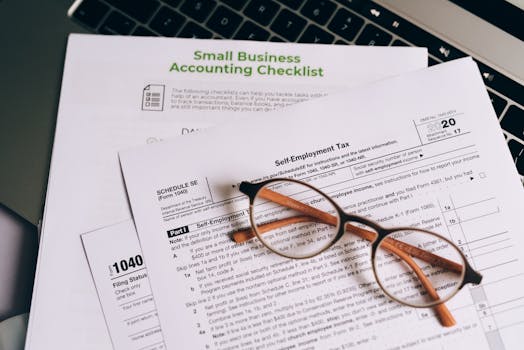 Photo: Leeloo The First / Pexels
Comparison
| Feature | Proactive Planning | Reactive Planning | Ignoring Tax Planning |
|---|---|---|---|
| Tax Savings Potential | Maximized through deductions, credits, deferrals | Limited; often misses opportunities | Minimal to none; potential overpayment |
| Compliance Risk | Low; structured and documented | Moderate; potential for errors/penalties | High; significant risk of penalties and audits |
| Cash Flow Impact | Optimized; improved liquidity | Fluctuating; potential for unexpected liabilities | Negative; drain on resources |
| Strategic Advantage | ✓ | ✗ | ✗ |
| Adaptability to Changes | High; flexible and responsive | Low; slow to adapt | None; static and vulnerable |
What Readers Say
"Implementing new corporate tax planning strategies has been a game-changer for our tech startup. We saw a significant reduction in our effective tax rate, allowing us to reinvest more into R&D. The guidance was clear and incredibly insightful."
Sarah Chen · San Francisco, CA"Our manufacturing firm operates in multiple states, and the complexity of SALT was overwhelming. The team's expertise in corporate tax planning strategies helped us streamline our compliance and uncover substantial state tax credits we were missing."
David Ramirez · Dallas, TX"Thanks to their proactive corporate tax planning strategies, we deferred over $500,000 in tax liabilities last year. This allowed us to fund a critical expansion project without seeking additional external financing. Truly impactful."
Emily White · New York, NY"While the initial setup for our new corporate tax planning strategies was quite involved, the long-term benefits are undeniable. We appreciate the thoroughness and the detailed explanations provided throughout the process, even if it took time."
Mark Johnson · Chicago, IL"As a small business owner, I used to dread tax season. Their corporate tax planning strategies simplified everything, giving me peace of mind and more capital to grow. They made complex topics easy to understand and implement."
Jessica Lee · Miami, FLFrequently Asked Questions
What are the most effective corporate tax planning strategies for small businesses?
For small businesses, key strategies include choosing the optimal entity structure (e.g., S-corp vs. C-corp), maximizing eligible deductions like Section 179 expensing, utilizing retirement plan contributions for deferral, and exploring state and federal tax credits like the R&D credit if applicable. Proactive, year-round planning is crucial to identify and leverage these opportunities effectively.
Is corporate tax planning only for large corporations?
Absolutely not. While large corporations often have dedicated tax departments, effective corporate tax planning is vital for businesses of all sizes. Small and medium-sized enterprises (SMEs) can realize significant savings and improve cash flow by proactively managing their tax obligations, just like larger entities. The principles apply universally, though the scale and complexity may differ.
How often should a business review its corporate tax planning strategies?
Businesses should ideally review their corporate tax planning strategies at least quarterly, if not monthly, throughout the year. This allows for timely adjustments based on financial performance, changes in business operations, and evolving tax laws. A comprehensive annual review before year-end is also critical to finalize plans and ensure all opportunities are captured.
What is the typical cost of engaging a professional for corporate tax planning?
The cost of professional corporate tax planning varies widely depending on the complexity of your business, the scope of services required, and the firm's expertise. It can range from a few thousand dollars for basic annual planning to tens of thousands or more for complex international or multi-state strategies. However, the potential tax savings often far outweigh the investment, providing a significant return.
How do corporate tax planning strategies differ from tax compliance?
Tax compliance focuses on accurately preparing and filing tax returns according to current laws, avoiding penalties. Corporate tax planning, on the other hand, is a proactive, forward-looking process that involves structuring business activities and making financial decisions throughout the year to legally minimize future tax liabilities. Compliance is about reporting what happened; planning is about influencing what will happen.
Who should be involved in developing corporate tax planning strategies?
Developing robust corporate tax planning strategies typically involves a collaborative effort. Key stakeholders include the company's financial leadership (CFO, Controller), the CEO or business owner, and external tax advisors (CPAs, tax attorneys). For larger organizations, operational managers and legal counsel may also play a role, especially for international or complex transactions.
What are the main risks if a company neglects corporate tax planning?
Neglecting corporate tax planning carries several significant risks: overpaying taxes, missing out on valuable deductions and credits, incurring penalties and interest for non-compliance, facing costly audits, and experiencing reduced cash flow. It can also lead to suboptimal business decisions due to a lack of tax foresight, ultimately hindering growth and profitability.
What future trends might impact corporate tax planning strategies in the US?
Future trends impacting corporate tax planning include potential changes in federal corporate tax rates, increased scrutiny on international tax avoidance (e.g., global minimum taxes), evolving state and local tax nexus rules for digital businesses, and greater emphasis on ESG (Environmental, Social, Governance) factors through tax incentives. Staying agile and informed will be key.
Don't let complex tax laws hinder your company's potential. Strategic corporate tax planning strategies are essential for minimizing liabilities, maximizing cash flow, and driving sustainable growth. Take control of your financial future by implementing a proactive tax plan today.