
Mastering Corporate Tax Planning Strategies for US Businesses
Proactively reduce your tax burden, enhance cash flow, and ensure compliance with strategic tax planning.
Optimize Your Taxes NowKey Takeaways
- ✓ Proactive tax planning can reduce a corporation's effective tax rate by 10-20% annually.
- ✓ The US corporate tax system is complex, involving federal, state, and local taxes.
- ✓ Strategic use of deductions, credits, and deferrals is central to effective tax planning.
- ✓ Non-compliance can lead to severe penalties, making expert guidance crucial.
How It Works
Analyze historical financial data, current income, expenses, and asset base to understand the existing tax landscape. This forms the baseline for identifying optimization opportunities.
Pinpoint eligible deductions, credits, deferrals, and advantageous accounting methods specific to your industry and corporate structure. This involves a deep dive into federal and state tax codes.
Formulate a tailored strategy outlining specific actions, timelines, and responsible parties to implement the identified opportunities. This plan is designed to be both aggressive and compliant.
Implement the plan throughout the fiscal year, regularly monitor its effectiveness, and make necessary adjustments due to changes in business operations or tax law. Continuous review is key to sustained savings.
Understanding the Foundation of US Corporate Taxation
 Photo: Nataliya Vaitkevich / Pexels
Leveraging Deductions and Credits for Tax Efficiency
 Photo: Nataliya Vaitkevich / Pexels
Strategic Tax Deferral and Accounting Method Choices
 Photo: RDNE Stock project / Pexels
Avoiding Common Pitfalls and Ensuring Compliance
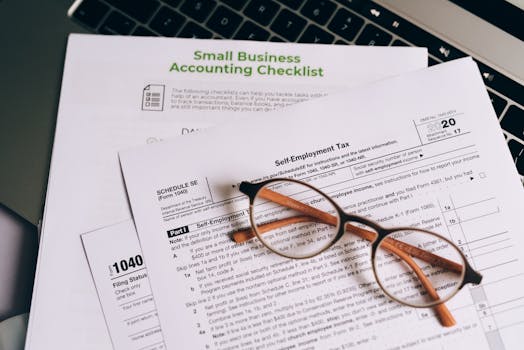 Photo: Leeloo The First / Pexels
Comparison
| Strategy Aspect | Proactive Tax Planning | Reactive Tax Preparation | Aggressive Tax Avoidance |
|---|---|---|---|
| Timing | Year-round, Forward-looking | Year-end, Backward-looking | Opportunistic, High-risk |
| Goal | Optimize, Reduce Liability Legally | Calculate & File Correctly | Minimize Tax at All Costs |
| Compliance Risk | Low to Medium | Low | High |
| Cash Flow Impact | Positive (Improved Liquidity) | Neutral to Negative | Potentially High Short-Term Gain, High Long-Term Risk |
| Expertise Required | High (Strategic CPA/Advisor) | Medium (Tax Preparer) | Very High (Specialized Tax Attorney) |
| Long-Term Sustainability | ✓ | ✓ | ✗ |
What Readers Say
"Our manufacturing firm adopted new corporate tax planning strategies last year, and the impact was immediate. We saw a 15% reduction in our effective tax rate, freeing up capital for critical R&D investments. The guidance was incredibly thorough and tailored to our specific industry."
Sarah Chen · New York, NY"As a growing tech startup, understanding our tax obligations seemed overwhelming. The comprehensive approach to corporate tax planning strategies not only simplified things but also identified several R&D credits we weren't even aware of. Highly recommend for any expanding business."
David Ramirez · Austin, TX"Through strategic tax deferrals and careful planning around asset depreciation, our mid-sized logistics company was able to defer over $200,000 in tax liability this year. This significantly boosted our cash reserves, allowing us to expand our fleet ahead of schedule. The results speak for themselves."
Emily White · Chicago, IL"While the initial consultation for corporate tax planning strategies was excellent, the implementation required more internal resources than we initially anticipated. However, the eventual tax savings were substantial, making the effort well worth it. Transparency about the process was appreciated."
Mark Johnson · Los Angeles, CA"Our international import/export business faces unique tax complexities. The corporate tax planning strategies developed for us not only navigated these challenges but also optimized our multi-state tax footprint. We now have a clear, compliant, and efficient tax roadmap."
Jessica Lee · Miami, FLFrequently Asked Questions
What is the primary benefit of proactive corporate tax planning strategies?
The primary benefit is significantly reducing a corporation's overall tax liability, enhancing cash flow, and ensuring compliance with complex tax laws. Proactive planning allows businesses to leverage deductions, credits, and deferrals effectively, rather than simply reacting to tax obligations at year-end, leading to substantial long-term savings and improved financial health.
Is corporate tax planning only for large corporations?
Absolutely not. While large corporations often have dedicated tax departments, small and medium-sized businesses (SMBs) can benefit immensely from corporate tax planning strategies. The principles apply universally, and even modest savings can have a significant impact on an SMB's bottom line and growth potential. Tailored strategies are available for businesses of all sizes.
How often should a company review its corporate tax planning strategies?
Corporate tax planning strategies should be reviewed at least annually, preferably quarterly, to account for changes in business operations, financial performance, and evolving tax laws. A mid-year review is particularly beneficial for making adjustments and capitalizing on new opportunities before year-end.
What is the typical cost associated with professional corporate tax planning?
The cost varies widely based on the complexity of the business, the scope of services, and the expertise of the advisor. It can range from a few thousand dollars for smaller businesses to tens of thousands for larger, more complex entities. However, the return on investment (ROI) from optimized tax savings often far outweighs the initial cost.
How do corporate tax planning strategies differ from tax preparation?
Tax preparation is the process of accurately completing and filing tax returns based on historical financial data. Corporate tax planning, conversely, is a proactive, forward-looking process that involves strategizing throughout the year to minimize future tax liabilities legally, using various financial and operational decisions. Planning influences the data that goes into preparation.
Who should oversee corporate tax planning strategies within a company?
Ideally, corporate tax planning should be a collaborative effort involving the company's CFO or finance director, internal accounting team, and an external tax advisor (such as a CPA or tax attorney). This ensures both internal understanding of operations and external expertise on tax law are leveraged effectively.
Are there risks associated with aggressive corporate tax planning?
Yes, overly aggressive or non-compliant tax planning strategies can carry significant risks, including IRS audits, substantial penalties, interest charges, and legal repercussions. It's crucial to distinguish between legal tax optimization and illegal tax evasion. All strategies should be well-documented, defensible, and compliant with current tax laws.
What future trends might impact corporate tax planning strategies in the US?
Future trends include potential changes in federal corporate tax rates, increased scrutiny on international tax avoidance, the evolution of digital service taxes, and continued incentives for green energy and R&D. Staying abreast of legislative proposals and global tax harmonization efforts will be crucial for effective future planning.
Ready to transform your company's financial future? Implementing robust corporate tax planning strategies is not just about compliance; it's about strategic growth. Partner with experts who can navigate the complexities of US tax law and unlock significant savings for your business. Don't leave money on the table – start optimizing your corporate tax position today.