Corporate Security Services for Businesses: Your Shield
corporate security services for businesses

Corporate Security Services for Businesses: Your Shield

Safeguard your organization's most vital assets, data, and people with expert, tailored security strategies.

Secure Your Business Today

Key Takeaways

  • ✓ Over 70% of businesses experienced a security incident in the last year.
  • ✓ The average cost of a data breach in the US exceeds $9 million.
  • ✓ Proactive security measures reduce risk by up to 80%.
  • ✓ Integrated security solutions are more effective than fragmented approaches.

How It Works

1
Initial Risk Assessment & Consultation

We begin by thoroughly understanding your business operations, vulnerabilities, and specific security concerns. Our experts conduct a detailed on-site and digital assessment to identify potential threats.

2
Customized Security Strategy Development

Based on the assessment, a bespoke security plan is crafted, integrating physical, technological, and procedural safeguards. This plan aligns with your business goals and compliance requirements.

3
Implementation & Deployment

Our team expertly deploys the agreed-upon security solutions, which may include installing advanced surveillance systems, access control, cybersecurity tools, and training your staff. We ensure minimal disruption to your operations.

4
Ongoing Monitoring, Maintenance & Training

Security is not a one-time event. We provide continuous monitoring, regular system maintenance, and periodic reviews to adapt to evolving threats. We also offer ongoing training for your employees to foster a security-aware culture.

Understanding the Evolving Threat Landscape for Businesses

A group of people in a dark room working on computers, related to cybersecurity. Photo: Tima Miroshnichenko / Pexels
In today's dynamic business environment, the spectrum of threats facing organizations is more complex and pervasive than ever before. From sophisticated cyberattacks to physical breaches and internal vulnerabilities, businesses in the US are constantly battling a multitude of risks that can severely impact their operations, reputation, and bottom line. It's no longer enough to react to incidents; a proactive, comprehensive approach to corporate security services for businesses is absolutely essential. The digital realm, in particular, has introduced unprecedented challenges. Cybercriminals are constantly developing new tactics, from ransomware attacks that hold critical data hostage to phishing schemes designed to extract sensitive information. These digital threats can lead to massive financial losses, intellectual property theft, and severe damage to customer trust. Beyond the digital, physical security remains a cornerstone of corporate protection. Unauthorized access to facilities, theft of assets, workplace violence, and even industrial espionage are tangible threats that require robust physical security measures. Furthermore, internal threats, often overlooked, can be just as damaging. Disgruntled employees, negligent staff, or even well-meaning individuals who fall victim to social engineering can inadvertently or intentionally compromise security protocols. Regulatory compliance also adds another layer of complexity. Industries like healthcare (HIPAA), finance (SOX, GLBA), and any business handling consumer data (CCPA, GDPR implications for US companies) face stringent security requirements. Failure to comply can result in hefty fines and legal repercussions. The interconnectedness of modern business, through supply chains and partnerships, means that a security weakness in one link can expose the entire chain. This necessitates a broader view of security, extending beyond an organization's immediate perimeter. Corporate security services for businesses address this multifaceted threat landscape by integrating various protective measures. They don't just put out fires; they build resilient frameworks designed to prevent them. This includes everything from advanced threat intelligence and incident response planning to employee training and continuous vulnerability assessments. The goal is to create a culture of security that permeates every level of the organization, turning every employee into a potential line of defense. Ignoring these evolving threats is not an option; embracing a robust security strategy is a strategic imperative for long-term success and stability. Understanding the nuances of these threats is the first step towards building an impenetrable defense, safeguarding not just assets, but the very future of your enterprise. Learn more about corporate risk management.

Comprehensive Corporate Security Services: A Multi-Layered Approach

Surveillance cameras mounted on a pole in front of a modern glass building. Photo: Star Zhang / Pexels
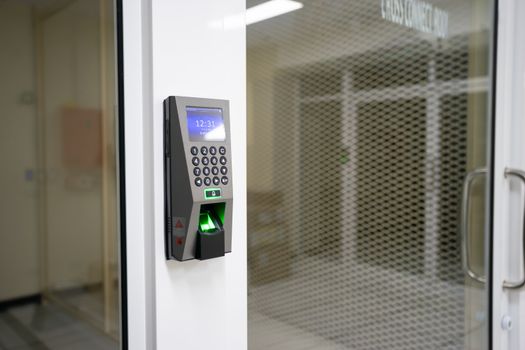
Effective corporate security is not a single solution but a comprehensive, multi-layered strategy designed to protect all facets of your business. This integrated approach combines physical, cyber, and operational security elements to create a robust defense system against a wide array of threats. For businesses in the US, understanding these layers is crucial for selecting the right corporate security services for businesses. **Physical Security:** This foundational layer protects your premises, assets, and personnel from tangible threats. It encompasses: * **Access Control Systems:** From keycard entry to biometric scanners, these systems ensure only authorized individuals can enter specific areas. * **Surveillance Systems (CCTV):** High-definition cameras monitor activity, deter crime, and provide critical evidence for investigations. Modern systems often include AI-powered analytics for anomaly detection. * **Alarm Systems:** Intrusion detection systems provide immediate alerts for unauthorized entry or suspicious activity. * **On-site Security Personnel:** Trained guards provide a visible deterrent, conduct patrols, monitor surveillance, and respond to incidents. They can also manage visitor access and emergency situations. * **Perimeter Security:** Fencing, lighting, gates, and bollards establish a clear boundary and deter external threats. **Cybersecurity:** In the digital age, cybersecurity is paramount. This layer protects your valuable data, networks, and systems from online threats. Key components include: * **Network Security:** Firewalls, intrusion prevention systems (IPS), and secure network configurations protect against unauthorized access and malware. * **Endpoint Protection:** Antivirus, anti-malware, and endpoint detection and response (EDR) solutions safeguard individual devices like computers and mobile phones. * **Data Security & Encryption:** Protecting sensitive data at rest and in transit through encryption, data loss prevention (DLP) strategies, and secure data storage. * **Security Information and Event Management (SIEM):** Centralized logging and analysis of security alerts to detect and respond to threats in real-time. * **Incident Response Planning:** Developing a clear protocol for identifying, containing, eradicating, and recovering from cyber incidents. * **Employee Security Awareness Training:** Educating staff on best practices, phishing recognition, and secure data handling to minimize human error, a common vulnerability. **Operational Security (OpSec):** This layer focuses on protecting sensitive information and processes from being exploited by adversaries. It involves: * **Risk Assessments:** Identifying, analyzing, and evaluating potential risks to business operations and assets. * **Policy Development:** Establishing clear security policies and procedures for employees to follow. * **Background Checks:** Vetting new hires to mitigate insider threats. * **Crisis Management & Business Continuity Planning:** Preparing for and responding to various disruptions, ensuring the business can continue critical operations during and after an incident. * **Travel Security:** Protecting employees who travel to high-risk areas. * **Intellectual Property Protection:** Safeguarding trade secrets, patents, and proprietary information. By integrating these layers, corporate security services for businesses create a resilient defense. For instance, a physical breach detected by a surveillance system might trigger an alert to on-site security, while simultaneously flagging potential network anomalies if a device was compromised. This holistic approach ensures that potential vulnerabilities are addressed from multiple angles, significantly enhancing the overall security posture of an organization.

Benefits of Investing in Professional Corporate Security Solutions

Contemporary shopping mall exterior with glass facade under clear blue sky. Photo: Dextar Vision / Pexels
Investing in professional corporate security services for businesses is not merely an expense; it's a strategic investment that yields significant returns in terms of protection, stability, and operational efficiency. For businesses navigating the complexities of the modern world, the benefits extend far beyond simply preventing crime. **Enhanced Protection of Assets and Data:** The most immediate and obvious benefit is the robust protection of your physical assets, intellectual property, and critical data. Professional services deploy advanced technologies and expert personnel to guard against theft, vandalism, espionage, and cyberattacks. This ensures that your valuable resources remain secure, preventing potentially catastrophic financial losses and operational disruptions. **Safeguarding Personnel and Reputation:** Employee safety is paramount. Comprehensive corporate security measures create a secure working environment, protecting staff from workplace violence, harassment, and other threats. This fosters a sense of security and well-being, which in turn can improve morale and productivity. Furthermore, a strong security posture protects your company's reputation. A single security breach, whether physical or cyber, can severely damage public trust, lead to negative media coverage, and erode customer loyalty, taking years to rebuild. Proactive security demonstrates a commitment to responsibility and care. Discover more about protecting your corporate image. **Ensuring Regulatory Compliance and Avoiding Legal Ramifications:** Many industries are subject to strict data protection and security regulations (e.g., HIPAA, PCI DSS, GDPR, CCPA). Professional corporate security services help businesses meet these complex compliance requirements, mitigating the risk of hefty fines, legal battles, and potential lawsuits that can arise from non-compliance or data breaches. Expert providers stay abreast of evolving regulations, ensuring your business remains compliant. **Minimizing Business Disruptions and Downtime:** Security incidents, whether a physical break-in or a cyberattack, can lead to significant operational downtime, lost productivity, and revenue. A well-implemented security strategy, including robust incident response and business continuity planning, minimizes the impact of such events. By quickly detecting, containing, and recovering from incidents, professional security services ensure your business can resume normal operations with minimal interruption, preserving profitability and customer satisfaction. **Cost Savings in the Long Run:** While there's an initial investment, professional security often leads to long-term cost savings. Preventing a single major data breach or physical theft can save millions in recovery costs, legal fees, and reputational damage. Furthermore, reduced insurance premiums are often available to businesses with robust security systems in place. By preventing losses and avoiding costly incidents, professional security services prove to be a highly cost-effective solution. **Gaining a Competitive Advantage:** In an increasingly security-conscious world, businesses that prioritize and visibly invest in strong security gain a competitive edge. Customers and partners are more likely to trust and engage with organizations that demonstrate a commitment to protecting their data and ensuring a secure environment. This can lead to increased business opportunities and stronger, more reliable partnerships. Ultimately, the benefits of professional corporate security services for businesses extend to every aspect of an organization, fostering a secure, stable, and resilient operational environment crucial for sustained growth and success.

Choosing the Right Corporate Security Partner: Key Considerations

Diverse business professionals discussing strategy during a modern board meeting. Photo: Werner Pfennig / Pexels
Selecting the right corporate security services for businesses is a critical decision that can significantly impact your organization's safety and future. With numerous providers offering a range of services, knowing what to look for can be challenging. Here are key considerations to guide your choice: **1. Experience and Reputation:** * **Track Record:** Look for providers with a proven history of delivering effective security solutions to businesses of similar size and industry. How long have they been in business? Do they have case studies or testimonials demonstrating their success? * **References:** Request client references and speak directly with current or past clients to understand their experience with the provider's professionalism, responsiveness, and effectiveness. * **Industry Recognition:** Are they accredited by relevant industry bodies? Do they hold certifications that demonstrate expertise and adherence to best practices? **2. Comprehensive Service Offering:** * **Holistic Approach:** Does the provider offer a full spectrum of services that cover physical, cyber, and operational security? A fragmented approach with multiple vendors can lead to gaps and inefficiencies. * **Customization:** Can they tailor solutions to your specific needs, budget, and industry regulations? Avoid one-size-fits-all packages that may not adequately address your unique vulnerabilities. * **Scalability:** Can their services grow and adapt as your business evolves or as new threats emerge? Flexibility is key for long-term security. **3. Expertise and Technology:** * **Qualified Personnel:** Do their security professionals possess the necessary certifications, training, and experience? This includes security guards, cybersecurity analysts, and consultants. * **Advanced Technology:** Are they utilizing state-of-the-art security technologies, including AI-powered surveillance, advanced threat detection, and robust access control systems? Technology should be current and effective. * **Threat Intelligence:** Do they actively monitor the evolving threat landscape and incorporate the latest intelligence into their strategies? **4. Responsiveness and Support:** * **24/7 Monitoring and Response:** Is there a dedicated team available around the clock to monitor systems and respond to incidents immediately? * **Account Management:** Will you have a dedicated account manager who understands your business and acts as a central point of contact? * **Clear Communication:** How do they communicate security alerts, incident reports, and service updates? Transparency is vital. **5. Compliance and Legal Understanding:** * **Regulatory Knowledge:** Do they have a deep understanding of industry-specific regulations (e.g., HIPAA, PCI DSS, SOX) and local laws that affect your business? * **Privacy Considerations:** How do they handle data privacy and ensure their security measures comply with relevant privacy laws? **6. Cost-Effectiveness and Transparency:** * **Clear Pricing:** Obtain detailed, transparent pricing structures. Understand what's included and what might incur additional costs. * **ROI Discussion:** Can they articulate the return on investment (ROI) of their services, demonstrating how their solutions prevent losses and protect your bottom line? By carefully evaluating these factors, businesses can make an informed decision and partner with a corporate security provider that genuinely enhances their safety and resilience.

Comparison

FeatureIntegrated Security PartnerIn-house Security TeamFragmented Vendor Approach
Expertise LevelHigh, specialized across domainsVaries, limited by internal resourcesVaries, inconsistent
Cost EfficiencyOptimized, leverages shared resourcesHigh overhead (salaries, benefits, training)Potentially higher, duplicate efforts
Technology AccessCutting-edge, constantly updatedLimited by budget and internal knowledgeInconsistent, integration issues
Scalability & Flexibility
Responsiveness24/7, dedicated incident responseLimited by internal staff numbersSlow, coordination challenges
Compliance ManagementProactive, expert guidanceRequires dedicated internal expertiseDifficult to maintain consistency
Holistic Threat ViewComprehensive, integrated strategyOften siloed (physical vs. cyber)Siloed, gaps in coverage

What Readers Say

"Our pharmaceutical company needed robust corporate security services for businesses, especially for our R&D labs. This provider implemented a state-of-the-art access control system and cybersecurity protocols that have given us immense peace of mind. Their team is incredibly professional."

Sarah Chen · New York, NY

"As a growing tech startup, we were concerned about data breaches and intellectual property theft. The corporate security services for businesses we received were tailored perfectly to our needs, including employee training and advanced network protection. Highly recommend their proactive approach."

Mark Johnson · Dallas, TX

"After a minor incident, we realized our physical security was lacking. This company's corporate security services for businesses transformed our office environment. We now have 24/7 monitoring and professional on-site guards, resulting in a 70% reduction in unauthorized access attempts."

Emily Rodriguez · Los Angeles, CA

"Their expertise in cybersecurity is undeniable, and their incident response time is excellent. While the initial setup took a bit longer than anticipated, the ongoing support and thorough reporting have proven invaluable for our financial services firm's compliance."

David Lee · Chicago, IL

"We operate several retail locations and needed consistent, reliable corporate security services for businesses across all sites. This provider implemented integrated surveillance and alarm systems, significantly reducing shrinkage and improving overall store safety for our staff and customers."

Jessica Brown · Miami, FL

Frequently Asked Questions

What specifically do corporate security services for businesses protect?

Corporate security services for businesses protect a wide array of assets and operations. This includes physical assets like buildings, equipment, and inventory; intellectual property such as trade secrets, patents, and customer lists; sensitive data including financial records and personal information; and most importantly, the safety and well-being of employees, executives, and visitors. They also safeguard your company's reputation and ensure operational continuity.

Are corporate security services only for large corporations?

Absolutely not. While large corporations certainly benefit, businesses of all sizes face security risks. Small and medium-sized businesses (SMBs) are often targeted due to perceived weaker defenses. Professional corporate security services can be scaled to fit the specific needs and budget of any organization, providing essential protection against cyber threats, physical theft, and internal vulnerabilities, regardless of company size.

How do I start implementing corporate security services for my business?

The first step is typically a comprehensive risk assessment conducted by a professional security provider. This assessment identifies your specific vulnerabilities, threats, and compliance requirements. Based on this, a tailored security strategy will be developed, followed by the implementation of chosen solutions, ongoing monitoring, and regular reviews to ensure effectiveness and adaptation to new threats.

What is the typical cost of corporate security services for businesses?

The cost of corporate security services for businesses varies significantly based on several factors, including the size and complexity of your operations, the specific services required (e.g., physical security, cybersecurity, consulting), the level of technology deployed, and the duration of the contract. It's an investment, but one that typically yields substantial ROI by preventing costly incidents. Most providers offer customized quotes after an initial consultation and assessment.

How do corporate security services differ from a standard alarm system or IT support?

Corporate security services offer a much broader and integrated approach. While an alarm system is a component of physical security and IT support handles technical issues, corporate security encompasses physical security, cybersecurity, operational security, risk management, and strategic planning. It's a holistic framework designed to protect against a wide range of threats, going beyond basic hardware or software to include expert analysis, policy development, and human elements.

Who should use corporate security services for businesses?

Any business that handles sensitive data, possesses valuable intellectual property, has physical assets to protect, or employs personnel who need a safe working environment should consider corporate security services. This includes financial institutions, healthcare providers, tech companies, manufacturing plants, retail businesses, educational institutions, and government contractors – essentially any organization vulnerable to theft, fraud, cyberattacks, or other security incidents.

How do these services address insider threats?

Professional corporate security services address insider threats through a multi-pronged approach. This includes robust access controls to restrict sensitive information, thorough background checks for new hires, continuous monitoring of network activity for unusual behavior, data loss prevention (DLP) systems, mandatory security awareness training for all employees, and clear policies regarding data handling and acceptable use. They focus on both preventing malicious acts and mitigating accidental breaches.

What are the future trends in corporate security for businesses?

Future trends in corporate security for businesses include an increased reliance on Artificial Intelligence (AI) and Machine Learning (ML) for predictive threat detection and automated response, greater integration of physical and cyber security systems into a unified platform, a stronger focus on zero-trust architectures, enhanced supply chain security, and the growing importance of human element training to combat sophisticated social engineering attacks. Cloud security and data privacy will also continue to be paramount.

Don't leave your business vulnerable to evolving threats. Invest in comprehensive corporate security services for businesses today to protect your assets, data, and people. Contact us for a personalized consultation and take the critical step towards a more secure future.

Topics: corporate security services for businessesbusiness security solutionscorporate risk managementphysical security for companiescybersecurity for businesses
Leo List
Brampton weed
Adultwork