
Boosting Profits: Corporate Responsibility in Supply Chain
Unlock sustainable growth and mitigate risks by integrating strong corporate responsibility throughout your supply chain.
Read the Full GuideKey Takeaways
- ✓ 85% of consumers consider a company's ethical practices when making purchasing decisions.
- ✓ Companies with strong ESG performance experience lower cost of capital and fewer regulatory penalties.
- ✓ Supply chain disruptions due to ethical lapses cost businesses an average of 10% of their annual revenue.
- ✓ Transparency in the supply chain is rapidly becoming a non-negotiable for investors and consumers alike.
How It Works
Identify all tiers of your supply chain, from raw materials to final delivery. Map out existing social and environmental impacts at each stage.
Establish clear, measurable corporate responsibility policies for labor practices, environmental impact, and governance. Communicate these standards to all suppliers.
Develop systems for continuous monitoring, including third-party audits and self-assessments. Ensure compliance with your defined ethical standards.
Collaborate with suppliers to address shortcomings and implement corrective actions. Invest in training and capacity building for long-term sustainability.
The Imperative of Ethical Sourcing and Supply Chain Transparency
 Photo: Sarah Chai / Pexels
Integrating ESG Principles for a Resilient Supply Chain
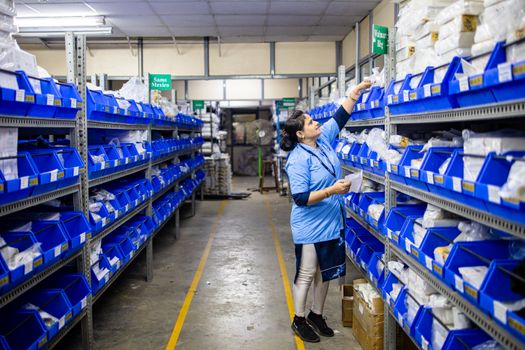 Photo: EqualStock IN / Pexels
Risk Mitigation and Value Creation Through Responsible Practices
 Photo: Daigoro Folz / Pexels
Implementing Effective Corporate Responsibility Programs: Key Tips and Common Mistakes
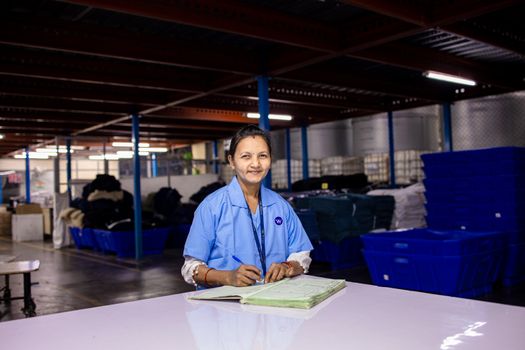 Photo: EqualStock IN / Pexels
Comparison
| Feature | Proactive Responsible SC | Reactive Compliance SC | Cost-Centric SC |
|---|---|---|---|
| Risk Management | Holistic & Predictive | Ad-hoc & Corrective | Minimal, post-incident |
| Brand Reputation | Enhanced & Trusted | Vulnerable to Damage | Risk of Erosion |
| Innovation Potential | High (sustainable materials) | Low (focus on avoiding issues) | Very Low (cost-cutting only) |
| Supplier Relationship | Collaborative Partnership | Transactional/Auditing | Adversarial/Price-driven |
| Long-term Value | ✓ Significant | ✗ Limited | ✗ Negative potential |
| ESG Performance | Excellent | Basic/Compliance-driven | Poor |
What Readers Say
"Implementing corporate responsibility in our supply chain transformed our public image. We saw a 15% increase in customer loyalty within a year, directly attributed to our ethical sourcing initiatives."
Sarah J. · Seattle, WA"Our investors are thrilled with our improved ESG scores. Focusing on corporate responsibility has not only mitigated risks but also attracted significant sustainable investment, fueling our expansion."
Mark D. · Austin, TX"We reduced our operational costs by 10% through more sustainable practices in our supply chain. It's amazing how ethical choices can also be financially beneficial."
Emily R. · Chicago, IL"The journey to a fully responsible supply chain is challenging, especially with global partners. However, the framework and support we received made it achievable, even if it took more time than anticipated."
John P. · Miami, FL"As a small business, we initially thought corporate responsibility was only for large corporations. But integrating ethical sourcing has given us a unique selling proposition and helped us compete effectively."
Lisa K. · Denver, CO"Our internal team morale significantly improved once we started prioritizing corporate responsibility. Employees feel proud to work for a company that genuinely cares about its impact, leading to lower turnover."
David L. · New York, NYFrequently Asked Questions
Why is corporate responsibility in supply chain so important for US businesses today?
It's crucial because US consumers increasingly demand ethical products, investors prioritize ESG performance, and regulatory scrutiny is intensifying. Ignoring it risks reputational damage, legal penalties, and loss of market share, while embracing it drives sustainable growth and competitive advantage.
Is implementing corporate responsibility in the supply chain too expensive for small businesses?
While there can be initial costs, many responsible practices lead to long-term savings through efficiency gains, reduced waste, and stronger supplier relationships. Moreover, it opens doors to new markets and conscious consumers, offering a significant return on investment.
How can a company ensure its suppliers are truly compliant with ethical standards?
To ensure compliance, companies should implement a multi-faceted approach including clear codes of conduct, regular third-party audits, supplier self-assessments, technology for traceability, and confidential grievance mechanisms. Building trust and offering support for improvement is also key.
What is the typical cost range for implementing a comprehensive corporate responsibility program in a supply chain?
The cost varies widely based on the complexity and size of the supply chain, the industry, and the current baseline. It can range from investing in software solutions and auditing services to capacity building for suppliers. Many costs are offset by long-term benefits like risk reduction and enhanced brand value.
How does corporate responsibility in the supply chain differ from traditional quality control?
While quality control focuses on product specifications, corporate responsibility encompasses broader ethical, social, and environmental impacts across the entire supply chain. It goes beyond the 'what' to the 'how' – how products are made, by whom, and with what environmental footprint.
Who should be responsible for overseeing corporate responsibility in the supply chain within a company?
Ideally, it should be a cross-functional effort involving procurement, legal, sustainability, and executive leadership. A dedicated Head of ESG or Chief Sustainability Officer can lead the initiative, ensuring integration across all business units and strategic alignment.
What are the biggest risks of neglecting corporate responsibility in the supply chain?
Neglecting this can lead to severe reputational damage, consumer boycotts, substantial financial penalties from regulators, costly lawsuits, supply chain disruptions due to ethical failures, and difficulty attracting and retaining talent. It poses a significant threat to long-term business viability.
What future trends will impact corporate responsibility in the supply chain?
Future trends include increased demand for hyper-transparency through blockchain, stricter regulations on carbon emissions and human rights, greater integration of AI for risk monitoring, and a stronger emphasis on circular economy principles and regenerative practices throughout the supply chain.
Embracing corporate responsibility in your supply chain is no longer optional; it's a strategic imperative for sustainable growth and resilience. By proactively integrating ethical practices, you can mitigate risks, enhance your brand, and create lasting value for all stakeholders. Start building a more responsible future for your business today.