Boosting Profits & Ethics: Corporate Responsibility in Supply Chain
corporate responsibility in supply chain

Boosting Profits & Ethics: Corporate Responsibility in Supply Chain

Unlock sustainable growth and mitigate risks by embedding ethical practices throughout your entire supply chain.

Start Your Transformation

Key Takeaways

  • ✓ 90% of consumers are more likely to trust companies with strong CSR commitments.
  • ✓ Poor supply chain ethics can lead to an 11% average drop in stock price for companies.
  • ✓ Companies with high ESG scores have lower costs of capital.
  • ✓ Forced labor and human rights abuses remain significant risks in global supply chains.

How It Works

1
Assess Your Current Supply Chain

Identify all tiers of your supply chain, from raw material extraction to final product delivery. Pinpoint areas of potential ethical, environmental, and social risk.

2
Define Ethical Standards & Policies

Establish clear codes of conduct, environmental policies, and social responsibility guidelines. Communicate these expectations explicitly to all suppliers and partners.

3
Implement Monitoring & Verification

Utilize audits, certifications, and technology to continuously monitor supplier compliance. Ensure transparency and accountability across your entire network.

4
Foster Continuous Improvement

Regularly review performance, provide training, and engage in collaborative efforts with suppliers. Drive ongoing enhancement of ethical and sustainable practices.

The Imperative of Ethical Sourcing and Supply Chain Transparency
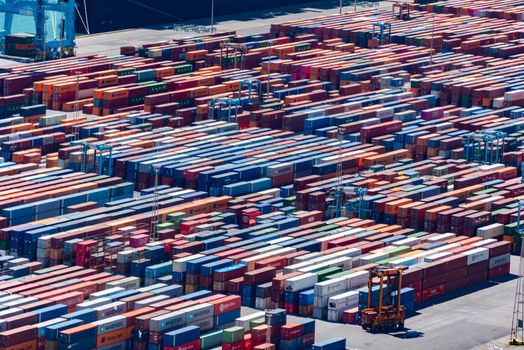
A bustling port with colorful cargo containers, aerial view showcasing global trade. Photo: Diego F. Parra / Pexels
In today's interconnected global economy, the concept of corporate responsibility in supply chain management has evolved from a niche concern to a strategic imperative. Businesses operating in the US and globally are increasingly scrutinized not just for their own internal operations, but for the practices of every entity within their extended supply network. This scrutiny comes from multiple fronts: consumers demanding ethically produced goods, investors prioritizing environmental, social, and governance (ESG) factors, and regulators enforcing stricter compliance. Ethical sourcing, at its core, refers to the process of ensuring that the products and services a company procures are produced in a way that respects human rights, labor laws, and environmental protection. It's about moving beyond mere transactional relationships with suppliers to building partnerships founded on shared values and commitments to sustainable practices. This means actively investigating and verifying that suppliers are not engaging in child labor, forced labor, unsafe working conditions, or destructive environmental practices. The complexity arises from the multi-tiered nature of modern supply chains, where a company might have thousands of direct suppliers, and each of those suppliers has their own network of sub-suppliers, extending deep into opaque regions of the world. Achieving transparency throughout this intricate web is a monumental but necessary task. Without it, companies are vulnerable to reputational damage, legal penalties, and financial losses when unethical practices are uncovered anywhere within their chain. Transparency isn't merely about revealing who your suppliers are; it's about making information accessible regarding their labor practices, environmental impact, and governance structures. Technologies such as blockchain are emerging as powerful tools to enhance this transparency, providing immutable records of product origins and journey. However, technology alone isn't a panacea; it must be coupled with robust due diligence, regular audits, and a culture of accountability. The shift towards ethical sourcing and greater transparency is not just about avoiding negative consequences; it's also a significant opportunity. Companies that demonstrate genuine commitment to these principles often build stronger brand loyalty, attract and retain top talent, and gain a competitive edge in markets where conscious consumption is on the rise. Furthermore, a transparent supply chain allows for better risk management, enabling companies to identify and mitigate potential disruptions before they escalate. It fosters innovation as companies and their suppliers collaborate on more sustainable production methods and materials. The long-term benefits far outweigh the initial investment and effort required to transform a supply chain into a truly responsible and transparent ecosystem. The focus on human rights within the supply chain is particularly critical, especially given the global prevalence of issues like modern slavery and exploitative labor practices. Companies must implement stringent policies and conduct thorough risk assessments to prevent these abuses, ensuring that every worker, regardless of their location in the supply chain, is treated with dignity and fairness. Building a resilient and responsible corporate framework for your supply chain begins with understanding the profound impact of these issues.

Integrating ESG Factors for Sustainable Supply Chain Management
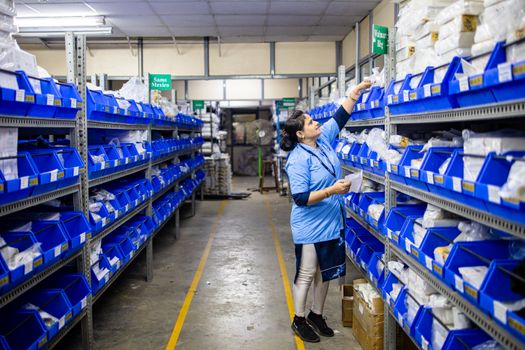
Woman in uniform organizing inventory in a warehouse aisle with labeled bins. Photo: EqualStock IN / Pexels
The integration of Environmental, Social, and Governance (ESG) factors into supply chain management represents a holistic approach to corporate responsibility. It acknowledges that a company's success is inextricably linked to its impact on the planet and its people. For US businesses, this means moving beyond compliance with basic regulations to proactively seeking opportunities to create positive value through their supply chain decisions. Environmentally, sustainable supply chain management focuses on minimizing the ecological footprint of production and distribution. This includes reducing greenhouse gas emissions, conserving water, minimizing waste generation, preventing pollution, and promoting biodiversity. Companies are increasingly demanding that their suppliers adopt renewable energy sources, implement circular economy principles, and use eco-friendly materials. The emphasis is on life cycle assessments, understanding the environmental impact from raw material extraction through to end-of-life disposal. For instance, a food company might evaluate the water usage of its agricultural suppliers or the carbon footprint of its transportation network. A tech company might focus on the responsible sourcing of minerals and the recyclability of its product components. Socially, ESG integration in the supply chain addresses the welfare of workers, communities, and stakeholders. This extends beyond basic labor rights to encompass fair wages, safe working conditions, diversity and inclusion, community engagement, and responsible land use. Companies are expected to ensure that their suppliers provide adequate healthcare, reasonable working hours, and opportunities for skill development. Furthermore, companies are increasingly held accountable for the social impact of their operations on local communities, including issues like land displacement or resource depletion. Engaging with local communities, respecting indigenous rights, and contributing to local economic development are becoming key metrics of social responsibility. Governance, within the ESG framework, refers to the ethical leadership, transparency, and accountability mechanisms within the supply chain. This involves establishing clear anti-corruption policies, ensuring ethical business conduct, protecting whistleblower rights, and maintaining robust data privacy and security protocols. It also includes the effectiveness of oversight bodies, such as boards of directors, in guiding and monitoring the company's responsible supply chain practices. Strong governance ensures that ESG commitments are not just aspirational statements but are embedded into the company's operational DNA and consistently enforced. The benefits of integrating ESG factors are multifaceted. It enhances brand reputation, attracts socially conscious investors, reduces operational risks associated with environmental disasters or social unrest, and can lead to significant cost savings through efficiency gains and waste reduction. Moreover, it fosters innovation as companies and their suppliers collaborate to develop more sustainable products and processes. Implementing an ESG-driven supply chain strategy requires a comprehensive approach, including supplier assessments, performance metrics, capacity building, and continuous engagement. It’s a journey of continuous improvement, driven by a commitment to creating long-term value for all stakeholders while contributing positively to global sustainability goals. Companies that embrace ESG integration are positioning themselves as leaders in a rapidly evolving business landscape where responsibility and profitability are increasingly intertwined.

Risk Mitigation and Brand Protection through Responsible Supply Chains

Two workers handle a package in a spacious warehouse surrounded by shelves stocked with boxes and products. Photo: Tiger Lily / Pexels
The modern business landscape is fraught with risks, and a significant portion of these stem directly from the supply chain. From geopolitical instability and natural disasters to ethical lapses and human rights abuses, disruptions can emerge from any point in the global network. Implementing robust corporate responsibility in supply chain practices is no longer just about doing the right thing; it's a critical strategy for comprehensive risk mitigation and safeguarding brand reputation. The financial implications of supply chain failures due to ethical misconduct can be severe. Regulatory bodies globally are increasing their scrutiny and imposing hefty fines for non-compliance with labor laws, environmental standards, and anti-slavery legislation. Beyond direct financial penalties, the damage to a company's market capitalization can be substantial. Studies have shown that uncovering unethical practices in a supply chain can lead to significant drops in stock prices and long-term erosion of investor confidence. Consumers, empowered by social media and instant information, are quick to boycott brands associated with exploitative labor or environmental destruction. A single viral story about a supplier's misconduct can unravel years of brand building and marketing efforts overnight. Therefore, protecting brand reputation necessitates a proactive and vigilant approach to supply chain responsibility. This involves not only setting high standards but also actively monitoring and verifying compliance across all tiers of the supply chain. One key aspect of risk mitigation is developing a comprehensive supply chain mapping strategy. Understanding the exact origin of materials and components, and the conditions under which they are produced, allows companies to identify high-risk areas before problems escalate. This mapping should be dynamic, regularly updated, and incorporate geopolitical and social risk assessments. For example, knowing if a critical component is sourced from a region prone to conflict or labor unrest allows a company to develop contingency plans or explore alternative sourcing options. Furthermore, diversification of suppliers can reduce reliance on any single source, thereby mitigating risks associated with supplier-specific issues. Beyond identification, effective risk mitigation involves implementing clear codes of conduct for suppliers, backed by contractual agreements and performance incentives. These codes should cover areas such as labor standards, environmental protection, anti-corruption, and data security. Regular, independent third-party audits are essential to verify compliance, but these audits must be thorough and unannounced to be truly effective. Building strong, collaborative relationships with suppliers is also crucial. Instead of simply dictating terms, companies can invest in capacity building, offering training and resources to help suppliers improve their ethical and environmental performance. This collaborative approach fosters a sense of shared responsibility and can lead to more sustainable and resilient supply chains in the long run. Finally, robust crisis management and communication plans are vital. In the event of a supply chain incident, companies must be prepared to respond quickly, transparently, and with integrity. This includes acknowledging the issue, outlining corrective actions, and communicating openly with stakeholders. A well-managed crisis can sometimes even strengthen brand loyalty by demonstrating a genuine commitment to responsible practices. Ensuring a strong corporate governance structure is paramount to embedding these principles effectively across the organization.

Best Practices for Implementing Corporate Responsibility in Your Supply Chain
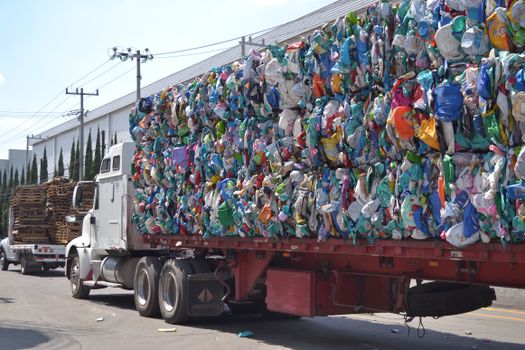
A large truck carrying bales of compressed plastic waste on a sunny city street in Mexico. Photo: Like a Lot / Pexels
Implementing effective corporate responsibility in supply chain management requires a strategic, systematic, and continuous approach. It's not a one-time project but an ongoing commitment that evolves with changing regulations, societal expectations, and global complexities. Here are some best practices for US companies to embed ethical and sustainable principles throughout their supply networks: * **Conduct Thorough Due Diligence:** Go beyond surface-level checks. Perform comprehensive risk assessments of all potential and existing suppliers, considering their geographic location, industry sector, labor practices, environmental impact, and governance structures. Utilize third-party risk assessment tools and databases to gather in-depth information. * **Establish a Clear Code of Conduct:** Develop a comprehensive supplier code of conduct that clearly outlines your expectations regarding human rights, labor standards (including fair wages, working hours, and freedom of association), environmental protection, anti-corruption, and data privacy. Ensure this code is legally binding and integrated into all supplier contracts. * **Foster Supplier Collaboration and Capacity Building:** Rather than merely penalizing non-compliant suppliers, invest in their improvement. Offer training, resources, and technical assistance to help them meet your standards. Collaborative relationships can lead to more resilient and innovative supply chains. Engage in open dialogue to understand their challenges and work together on solutions. * **Implement Robust Monitoring and Verification Systems:** Rely on a combination of announced and unannounced third-party audits, self-assessments, certifications (e.g., Fair Trade, LEED, SA8000), and technology-driven solutions (like blockchain for traceability). Ensure audit scope covers all relevant areas and includes worker interviews. * **Prioritize Transparency and Traceability:** Strive for end-to-end visibility across your supply chain, from raw materials to finished products. Leverage digital tools to track origins, processes, and certifications. Communicate your efforts and findings transparently to stakeholders, building trust and accountability. * **Integrate Responsibility into Purchasing Decisions:** Make ethical and sustainable performance a key criterion in supplier selection and performance reviews, alongside traditional factors like cost and quality. Reward suppliers who demonstrate strong commitment to responsible practices. * **Empower Workers and Stakeholders:** Establish accessible grievance mechanisms for workers within your supply chain to report issues without fear of retaliation. Engage with NGOs, labor unions, and local communities to gain insights and address concerns. * **Continuously Review and Improve:** The landscape of corporate responsibility is constantly evolving. Regularly review your policies, procedures, and supplier performance. Stay updated on emerging risks, best practices, and regulatory changes to ensure your approach remains effective and relevant. Implement a continuous improvement cycle. * **Allocate Dedicated Resources:** Ensure your company has sufficient human and financial resources dedicated to managing supply chain responsibility. This includes staff with expertise in ethics, sustainability, and supply chain management. * **Lead from the Top:** Corporate responsibility must be championed by senior leadership and embedded in the company's culture. Clear messaging and commitment from the board and executive team are crucial for driving change throughout the organization and its supply chain.

Comparison

FeatureProactive Responsible SCReactive Compliance SCTraditional Cost-Driven SC
Risk ManagementHolistic & PreventiveIssue-Specific & CorrectiveLimited, Post-Incident
Brand ReputationEnhanced & TrustedVulnerable & DefensiveTransactional, High Risk
Supplier RelationshipsCollaborative & StrategicTransactional & AuditingAdversarial & Price-Focused
Innovation & Efficiency✓ (Sustainable Solutions)✗ (Focus on Fixing)✗ (Stagnant)
Long-term ValueHigh & SustainableModerate, Risk-DependentLow, Volatile
Cost ImpactInitial Investment, Long-term SavingsPenalty-Driven, Crisis CostsShort-term Savings, High Hidden Costs

What Readers Say

"Our commitment to corporate responsibility in our supply chain has transformed our brand image. Customers genuinely appreciate our transparent sourcing, leading to increased loyalty and sales. It's been a game-changer for our small business."

Sarah Chen · Seattle, WA

"Implementing ethical sourcing guidelines was a huge undertaking, but the peace of mind knowing our products are made responsibly is invaluable. Our investors are also much more confident in our long-term sustainability. Highly recommend prioritizing this."

David Miller · Austin, TX

"By focusing on corporate responsibility in our supply chain, we reduced waste by 15% and improved working conditions for over 2,000 factory employees. The positive impact on our efficiency and employee morale has been significant and measurable."

Maria Rodriguez · New York, NY

"The journey to a fully responsible supply chain is challenging, especially with global partners. While we've made significant progress and seen benefits in risk reduction, continuous monitoring is demanding. It's an ongoing effort that requires dedication."

James Lee · Chicago, IL

"As a B Corp, corporate responsibility in our supply chain is fundamental. The strategies outlined here align perfectly with our values and have helped us solidify our ethical framework, attracting talent and customers who share our vision."

Emily Watson · Denver, CO

Frequently Asked Questions

What is corporate responsibility in the supply chain?

Corporate responsibility in the supply chain refers to a company's commitment to ensuring that its entire supply network operates in an ethical and sustainable manner. This includes respecting human rights, protecting the environment, ensuring fair labor practices, and upholding strong governance standards from raw material extraction to product delivery. It's about taking accountability for the social, environmental, and economic impact of all supply chain activities.

Is it expensive to implement corporate responsibility in the supply chain?

While there can be initial investments in audits, technology, and capacity building for suppliers, the long-term benefits often outweigh these costs. Responsible supply chains can lead to reduced risks of fines and boycotts, improved brand reputation, increased operational efficiency through waste reduction, and enhanced talent attraction and retention. Ignoring corporate responsibility can lead to far greater financial and reputational costs in the long run.

How can I start assessing my supply chain for ethical risks?

Begin by mapping your entire supply chain, identifying all direct and indirect suppliers. Then, conduct a risk assessment based on geographic location, industry sector, and known ethical challenges (e.g., child labor, environmental degradation). Utilize questionnaires, third-party risk assessment tools, and industry benchmarks. Prioritize high-risk areas for deeper due diligence and potential on-site audits.

What are the main benefits of a responsible supply chain?

The main benefits include enhanced brand reputation and customer loyalty, significant risk mitigation (reducing legal, financial, and reputational risks), improved operational efficiency and cost savings through sustainable practices, increased attractiveness to ESG-focused investors, better talent acquisition and retention, and fostering innovation through collaboration with ethical suppliers.

How does corporate responsibility in the supply chain compare to traditional supply chain management?

Traditional supply chain management often prioritizes cost efficiency and speed above all else, sometimes at the expense of ethical or environmental considerations. Corporate responsibility in the supply chain integrates these ethical, social, and environmental factors as core components of decision-making, aiming for long-term sustainability, resilience, and positive impact alongside profitability. It shifts from a purely transactional view to a more holistic and values-driven approach.

Who should be responsible for driving corporate responsibility in the supply chain within an organization?

While the supply chain and procurement teams play a crucial operational role, the ultimate responsibility for driving corporate responsibility in the supply chain should reside with senior leadership and the board of directors. A top-down commitment ensures that resources are allocated, policies are enforced, and ethical considerations are integrated into the core business strategy and culture across all departments.

What are the biggest risks of not having corporate responsibility in the supply chain?

The biggest risks include severe reputational damage and loss of consumer trust, significant financial penalties and legal liabilities from regulatory non-compliance, supply chain disruptions due to ethical issues (e.g., worker strikes, boycotts), difficulty attracting and retaining talent, and diminished investor confidence, potentially impacting stock price and access to capital. These risks can lead to long-term business instability.

What future trends will impact corporate responsibility in the supply chain?

Future trends include increased regulatory pressure globally, especially regarding human rights due diligence and environmental reporting; greater demand for supply chain transparency driven by consumers and technology (e.g., blockchain, AI analytics); the rise of circular economy principles influencing material sourcing and waste management; and a stronger emphasis on climate resilience and biodiversity protection across the entire supply network. ESG performance will increasingly be a differentiator.

Embracing corporate responsibility in your supply chain is no longer optional—it's essential for sustainable success. Take the proactive steps to build an ethical, transparent, and resilient supply chain that benefits your business, your stakeholders, and the world.

Topics: corporate responsibility in supply chainsustainable supply chain managementethical sourcing practicessupply chain transparencyESG supply chain
Leo List
Brampton weed
Adultwork EstrelaBet Vai de Bet R7 Bet Betão Galera Bet Rainbet Bet9ja Shop SportyBet BetKing Sisal Loto Foot Hollywoodbets YesPlay Odibets RushBet Jugabet BetWarrior BetCity MSport betPawa Fortebet