✓ Corporate housing offers fully furnished, amenity-rich accommodations for employees on assignment.
✓ It typically includes all utilities, internet, and often housekeeping, streamlining employee experience.
✓ Companies can save significantly compared to extended hotel stays, especially for longer durations.
✓ Provides a 'home away from home' environment, crucial for employee well-being and productivity.
How It Works
1
Identify Employee Needs
Assess the duration of stay, location requirements, and specific amenities crucial for your employee. This ensures a personalized and effective housing match.
2
Select a Corporate Housing Provider
Partner with a reputable provider specializing in corporate housing solutions. They offer a diverse portfolio and expertise in managing complex logistics.
3
Customize Accommodation Package
Work with the provider to select a suitable unit and tailor services like furniture, utilities, and additional support. This ensures alignment with company policy and employee comfort.
4
Seamless Employee Relocation & Support
Facilitate a smooth move-in process for your employee, often including welcome kits and ongoing support. The provider manages all aspects from booking to departure.
Understanding the Imperative for Quality Workforce Accommodation
Photo: Stephen Leonardi / Pexels
In today's dynamic global economy, businesses frequently require employees to relocate for short-term projects, extended assignments, or permanent transfers. This mobility is a cornerstone of growth, allowing companies to tap into diverse talent pools, expand into new markets, and execute critical projects on-site. However, the success of these ventures hinges significantly on the well-being and productivity of the employees involved. Providing high-quality corporate housing solutions for employees is not merely a perk; it's a strategic necessity. A comfortable, stable, and convenient living environment directly impacts an employee's ability to focus on their work, adapt to new surroundings, and maintain a healthy work-life balance. Without adequate accommodation, employees can experience stress, decreased morale, and even burnout, ultimately affecting project timelines and overall business objectives.
Traditional options like hotels often fall short for extended stays. While convenient for a night or two, hotels lack the essential elements of a home: a full kitchen, separate living and sleeping areas, and the general sense of privacy and space. This deficiency can lead to increased costs for meals out, a lack of personal routine, and a feeling of being constantly 'on the road.' Corporate housing, conversely, offers fully furnished apartments or homes that mimic a residential setting. These units are equipped with all the necessities, from cooking utensils to linens, and often include in-unit laundry facilities, creating a truly self-sufficient living experience. This 'home away from home' environment is critical for employees who are expected to perform at their best while away from their usual support systems. It allows them to maintain healthy eating habits, exercise routines, and a sense of normalcy, which are all vital for sustained productivity and job satisfaction. Furthermore, the cost-effectiveness of corporate housing over extended hotel stays becomes apparent when considering the bundled amenities and typically lower nightly rates for longer durations. Companies are increasingly recognizing that investing in superior corporate relocation services, especially housing, yields significant returns in employee retention, performance, and overall project success. The peace of mind afforded by a well-appointed temporary residence allows employees to dedicate their full attention to their professional responsibilities, knowing their personal living needs are well taken care of.
Diverse Corporate Housing Options and Their Benefits
Photo: Macourt Media / Pexels
The landscape of corporate housing solutions for employees is diverse, offering a range of options to suit various needs, budgets, and assignment durations. Understanding these options allows companies to make informed decisions that best serve both their financial goals and their employees' welfare. The most common type is the fully furnished apartment, often located in urban centers or business districts, providing easy access to workplaces and local amenities. These apartments typically range from studios to multi-bedroom units, offering flexibility for individuals or even small teams. They come complete with furniture, kitchenware, appliances, linens, and often include utilities, high-speed internet, and cable television as part of a single, consolidated bill. This all-inclusive approach simplifies expense tracking for companies and eliminates the hassle of setting up services for employees.
Beyond standard apartments, some providers offer executive homes, which are larger, more luxurious properties suitable for senior executives or employees relocating with families. These homes often include additional amenities like private yards, multiple bathrooms, and dedicated office spaces, providing an enhanced living experience. For shorter, yet still extended, stays, some corporate housing providers integrate with aparthotels or serviced apartments. These options blend hotel-like services, such as daily housekeeping and front desk support, with the spaciousness and amenities of an apartment, offering a hybrid solution for those who appreciate some level of hospitality services alongside their private living quarters. Each option presents unique advantages. Fully furnished apartments offer cost-efficiency and a sense of community, especially in buildings with shared amenities like gyms and common areas. Executive homes provide unparalleled privacy and space, crucial for long-term assignments or family relocations. Aparthotels offer convenience and flexibility, ideal for assignments where the duration might be uncertain or slightly shorter than typical corporate housing leases.
The primary benefit across all these options is the significant cost savings compared to traditional hotels for stays exceeding a few weeks. Corporate housing providers often offer competitive rates based on the length of stay, and the inclusion of a full kitchen dramatically reduces meal expenses. Furthermore, the larger living spaces and separation of work and rest areas contribute to improved employee well-being and productivity. Employees can maintain a routine, cook their own meals, and relax in a home-like environment, mitigating the stress associated with being away from home. The streamlined billing and management provided by corporate housing companies also reduce administrative burdens for HR and finance departments, allowing them to focus on core business functions rather than managing disparate invoices for accommodation, utilities, and services. This comprehensive approach to workforce accommodation underlines why corporate housing has become an indispensable tool for forward-thinking organizations.
Strategic Implementation: Integrating Corporate Housing into Relocation Policies
Photo: Mikhail Nilov / Pexels
Successfully integrating corporate housing solutions for employees into a company's overall relocation and travel policies requires strategic planning and a clear understanding of both organizational goals and employee needs. It's not enough to simply offer corporate housing; the process must be streamlined, transparent, and supportive. The first step involves developing a comprehensive policy that outlines eligibility criteria, budget parameters, and the types of housing available. This policy should clearly define who qualifies for corporate housing, under what circumstances (e.g., project assignments, training, temporary relocation), and for how long. Establishing clear guidelines upfront helps manage expectations and ensures equitable treatment across the workforce. Companies should also consider varying tiers of accommodation based on seniority, duration of stay, or specific project requirements, while maintaining a baseline of quality and comfort for all employees.
Partnering with a specialized corporate housing provider is crucial for effective implementation. These providers act as an extension of the HR or relocation department, offering expertise in sourcing, managing, and supporting temporary accommodations. They can offer a wide network of properties across various locations, ensuring availability even in high-demand areas. A good provider will also offer dedicated account management, simplifying the booking process, handling lease agreements, and providing ongoing support to employees during their stay. This includes addressing maintenance issues, facilitating extensions, or assisting with move-out procedures. Leveraging a provider's technology platform can further enhance efficiency, allowing for online booking, expense tracking, and reporting, which provides valuable insights into housing expenditures and utilization.
Communication is key to a smooth implementation. Employees should be thoroughly briefed on the corporate housing options available to them, what to expect, and how to access support. Providing detailed welcome packets that include information about the local area, transportation, and emergency contacts can significantly ease the transition for relocating employees. Furthermore, soliciting feedback from employees about their housing experience is invaluable. This feedback can help companies refine their policies, improve their choice of providers, and ensure that the corporate housing program continues to meet the evolving needs of their workforce. By strategically integrating corporate housing into their policies, companies can not only enhance employee satisfaction and productivity but also achieve significant cost efficiencies and demonstrate a strong commitment to employee well-being. This proactive approach to employee housing solutions solidifies the company's reputation as an employer of choice and supports its long-term strategic objectives.
Common Mistakes to Avoid When Choosing Employee Housing
Photo: Tara Winstead / Pexels
When selecting corporate housing solutions for employees, organizations often encounter pitfalls that can lead to increased costs, employee dissatisfaction, and logistical headaches. Avoiding these common mistakes is crucial for a successful program.
* **Underestimating the Importance of Location:** Choosing housing solely based on price without considering its proximity to the workplace, public transport, and essential amenities (like grocery stores or medical facilities) can severely impact an employee's daily life and productivity. A longer commute or lack of local conveniences can lead to stress and lost time, negating any cost savings from cheaper rent.
* **Neglecting Employee Preferences and Needs:** A 'one-size-fits-all' approach rarely works. While budget is important, ignoring individual employee preferences regarding apartment size, amenities (e.g., gym access, pet-friendly options), or even neighborhood vibe can lead to unhappiness. Gathering input, where feasible, ensures a better match and higher satisfaction.
* **Failing to Vet Corporate Housing Providers Thoroughly:** Not all providers offer the same level of service or quality. Companies must conduct due diligence, checking references, reading reviews, and understanding the provider's track record for responsiveness, maintenance, and overall support. A provider with poor service can leave employees stranded with issues, reflecting poorly on the company.
* **Overlooking Lease Term Flexibility:** Business needs can change rapidly. Opting for rigid, long-term leases when there's uncertainty about an assignment's duration can result in significant penalties for early termination or leave employees without suitable housing if an assignment extends. Look for providers offering flexible lease terms, including month-to-month options or easy extensions.
* **Ignoring the Total Cost of Ownership:** Focusing only on the monthly rent can be misleading. Companies should consider the total cost, which includes utilities, internet, cable, parking, and potential hidden fees. Corporate housing often bundles these, but it's essential to confirm what's included to avoid unexpected expenses.
* **Inadequate Communication with Employees:** Lack of clear communication about housing options, booking processes, what to expect upon arrival, and who to contact for support can create anxiety for employees. A clear, proactive communication strategy is vital to ensure a smooth transition and comfortable stay.
By being aware of these common missteps and implementing strategies to mitigate them, companies can ensure their corporate housing program is a true asset, supporting their mobile workforce effectively and efficiently.
Comparison
Feature
Corporate Housing
Extended Stay Hotel
Traditional Apartment Lease
Furnishings & Kitchen
✓ (Fully equipped)
✓ (Basic kitchenette)
✗ (Unfurnished)
Utilities & Internet
✓ (Included)
✓ (Included)
✗ (Separate setup)
Lease Flexibility
✓ (Flexible terms)
✓ (Daily/Weekly)
✗ (Rigid, 12+ months)
Space & Privacy
✓ (Apartment-like)
✗ (Hotel room)
✓ (Full apartment)
Cost-Effectiveness (Extended Stay)
Best Value
Moderate-High
High (start-up costs)
Administrative Burden
Low (single bill)
Low (single bill)
High (multiple vendors)
Home-like Environment
✓ (High)
✗ (Low)
✓ (High)
What Readers Say
★★★★★
"Our company started using corporate housing solutions for employees last year, and the difference is incredible. My last assignment had me in a fully furnished apartment near my project site, complete with a kitchen. It felt like home, which truly helped me stay focused and energized throughout the six months."
Sarah J. · Dallas, TX
★★★★★
"As a consultant, I'm often on the road for months. The corporate housing provided by my firm is a game-changer. I have space to work and relax, and not having to worry about setting up utilities or buying furniture makes every transition so much smoother. It's a huge benefit."
Mark T. · Seattle, WA
★★★★★
"Implementing corporate housing for our tech team's temporary relocation to Boston saved us over 30% compared to our previous hotel-based approach. Employee feedback has been overwhelmingly positive, citing improved morale and productivity due to the comfortable living spaces."
Emily R. · Boston, MA
★★★★★
"The corporate housing was generally excellent, providing all the necessities and a great location. My only minor critique would be that the internet speed occasionally fluctuated during peak hours. However, the overall comfort and convenience far outweighed this small issue."
David L. · Austin, TX
★★★★★
"Our HR department switched to a dedicated corporate housing provider, and it's made employee relocations seamless. From booking to departure, everything is handled professionally, allowing our employees to settle in quickly and focus on their work. It's a fantastic support system for our mobile workforce."
Jessica M. · Denver, CO
Frequently Asked Questions
What exactly are corporate housing solutions for employees?
Corporate housing solutions for employees refer to fully furnished apartments, homes, or serviced residences provided for business travelers, relocating employees, or those on extended assignments. These accommodations typically include all utilities, internet, and often amenities like kitchens and laundry facilities, offering a 'home away from home' experience that's more comfortable and cost-effective than extended hotel stays.
Are corporate housing options more expensive than hotels?
While the initial nightly rate might sometimes seem comparable to a standard hotel, corporate housing is generally more cost-effective for extended stays (typically over 30 days). This is because it includes a full kitchen, reducing dining-out expenses, and bundles utilities, internet, and sometimes even housekeeping into a single, often lower, overall monthly cost compared to itemized hotel bills.
How do I arrange corporate housing for my employees?
To arrange corporate housing, you typically partner with a specialized corporate housing provider. You'll define your employee's needs (location, duration, amenities), and the provider will source suitable, fully furnished options. They handle the lease agreements, billing, and ongoing support, streamlining the entire process for your company and your employee.
What's the typical duration for corporate housing stays?
Corporate housing stays can vary widely, from a few weeks to several months or even over a year. The flexibility of lease terms is one of its key advantages, allowing companies to align accommodation with project timelines or relocation schedules without being tied into rigid, long-term residential leases.
How does corporate housing compare to a traditional apartment lease for temporary assignments?
Corporate housing significantly reduces the administrative burden compared to a traditional apartment lease for temporary assignments. With corporate housing, everything is furnished, utilities are included, and the lease terms are flexible. A traditional lease requires employees to furnish the unit, set up utilities, and commit to longer, less flexible terms, making it impractical for temporary needs.
Who should use corporate housing solutions for employees?
Corporate housing solutions are ideal for companies with employees on short-term projects, training programs, temporary transfers, internships, or permanent relocations. It's particularly beneficial for mobile workforces, consultants, government employees, and those in industries requiring frequent travel or on-site presence for extended periods.
Is corporate housing safe and secure for employees?
Reputable corporate housing providers prioritize employee safety and security. They typically offer properties in safe neighborhoods, often within secure buildings with controlled access. Units are regularly inspected, and providers have established protocols for maintenance and emergency support, ensuring a safe and comfortable environment for employees.
What are the emerging trends in corporate housing for employees?
Emerging trends in corporate housing include increased demand for pet-friendly options, greater emphasis on sustainable and eco-friendly properties, integration of smart home technology for convenience, and personalized amenity packages. There's also a growing focus on health and wellness, with properties offering fitness centers and healthy living environments to support employee well-being.
Ready to enhance your employee relocation and extended stay experiences? Explore our tailored corporate housing solutions for employees today. Provide your workforce with comfort, convenience, and a true home-away-from-home, boosting productivity and satisfaction.

 Photo: Stephen Leonardi / Pexels
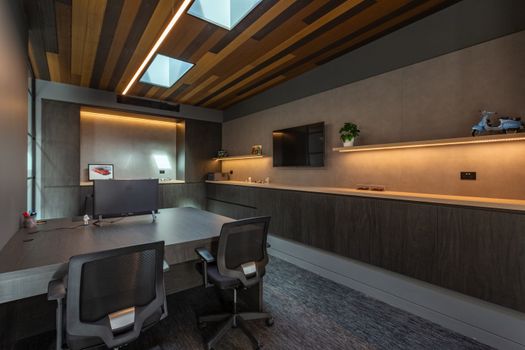 Photo: Macourt Media / Pexels
 Photo: Mikhail Nilov / Pexels
 Photo: Tara Winstead / Pexels