✓ 90% of startups fail, often due to poor market fit or weak branding.
✓ A strong brand can increase a company's value by up to 20%.
✓ Consistent branding across all platforms can increase revenue by 23%.
✓ 77% of consumers buy from brands they know, like, and trust.
How It Works
1
Define Your Core Identity
Clearly articulate your startup's mission, vision, values, and unique selling proposition. This foundational work guides all subsequent branding efforts.
2
Develop Your Visual & Verbal Assets
Create a distinctive logo, color palette, typography, and a consistent brand voice. These elements are the outward expression of your core identity.
3
Implement Across All Touchpoints
Ensure your brand is consistently applied to your website, social media, marketing materials, and internal communications. Every interaction reinforces your brand.
4
Monitor, Adapt, and Grow
Regularly assess your brand's perception and effectiveness in the market. Be prepared to evolve your strategy as your startup matures and market dynamics shift.
The Imperative of Early Brand Building for Startups
Photo: Ann H / Pexels
For a startup, the journey from conception to market leader is fraught with challenges, and among the most critical is establishing a robust corporate brand. Many founders mistakenly view branding as a luxury, something to address once product-market fit is achieved or revenues stabilize. This perspective is a costly oversight. In today's hyper-competitive landscape, where countless new ventures emerge daily, a strong corporate brand isn't just an asset; it's a fundamental necessity for survival and growth. It’s about more than just a logo or a catchy slogan; it’s the sum total of perceptions about your company, influencing how customers, investors, and potential employees view you.
Early brand building lays the groundwork for trust and credibility, two invaluable commodities for any nascent business. Without a clear brand identity, a startup struggles to differentiate itself from competitors, leading to confusion in the market and a diluted value proposition. Imagine launching a groundbreaking product without a compelling story or a recognizable face – it's akin to shouting into a void. A well-defined corporate brand provides that voice and face, making your startup memorable and relatable. It communicates your unique purpose, your values, and what makes you different, long before a customer even experiences your product or service. This foundational work also significantly impacts your ability to attract vital resources, from venture capital funding to top-tier talent. Investors are more likely to back a company with a clear vision and a strong identity, as it signals stability and potential for market adoption. Similarly, prospective employees are drawn to organizations with a compelling mission and a distinct culture, viewing them as more stable and impactful career opportunities. Ignoring this early investment in branding means playing catch-up later, often at a much higher cost and with diminished returns. It’s about being proactive, not reactive, in shaping your narrative. For a deeper dive into the importance of brand consistency, explore our insights on consistent corporate messaging.
Moreover, a strong corporate brand acts as a compass, guiding internal decisions and fostering a cohesive company culture. When everyone understands and aligns with the brand's core values and mission, it creates a unified direction, boosts employee morale, and enhances productivity. This internal alignment translates externally into a more authentic and consistent brand experience for your stakeholders. It allows your startup to articulate its value proposition clearly, resonate with its target audience, and build a loyal community around its offerings. Ultimately, strategic early branding isn't merely about aesthetics; it's about defining your startup's very essence, charting its course, and securing its place in the market from day one.
Crafting Your Brand's DNA: Identity, Voice, and Values
Photo: Eva Bronzini / Pexels
The heart of any successful corporate branding strategy lies in meticulously crafting your brand's DNA – its core identity, unique voice, and unwavering values. This isn't a superficial exercise; it's a deep dive into the essence of your startup, answering fundamental questions about who you are, what you stand for, and why you exist. Begin by defining your mission: what problem are you solving, and for whom? Your vision: what future do you aspire to create? And your values: what principles guide your decisions and actions? These foundational elements are the bedrock upon which all other branding efforts are built.
Once your core identity is established, the next critical step is to develop your brand voice. This is how your brand communicates with the world – the personality it projects through all written and spoken interactions. Is your brand authoritative and professional, innovative and playful, or empathetic and supportive? Your brand voice should be consistent across all channels, from your website copy and social media posts to customer service interactions and investor pitches. A well-defined voice helps build rapport with your audience, makes your messaging more memorable, and reinforces your brand's unique character. It humanizes your startup, making it more approachable and trustworthy.
Simultaneously, you must translate this identity and voice into tangible visual elements. This includes designing a distinctive logo that is simple, memorable, and scalable. Your color palette should evoke the desired emotions and align with your brand's personality, while typography choices should reflect your brand's sophistication or modernity. These visual assets are the immediate identifiers of your brand and must be consistent across every touchpoint – from your product packaging and marketing materials to your office decor and employee uniforms. Inconsistency in visual identity can confuse your audience and dilute your brand's impact.
Beyond external presentation, fostering a strong internal culture rooted in your brand's values is paramount. Your employees are your brand ambassadors, and their understanding and embodiment of your values are crucial for delivering a consistent brand experience. Invest in internal communications and training that reinforce your brand's DNA, ensuring everyone from the CEO to the newest intern understands and lives by your core principles. When employees genuinely believe in the brand, it translates into better customer service, more innovative solutions, and a stronger overall brand perception. This holistic approach to crafting your brand's DNA ensures authenticity, consistency, and a resonant connection with your target audience, setting the stage for sustainable growth and market leadership.
Implementing and Scaling Your Brand Across All Touchpoints
Photo: Eva Bronzini / Pexels
Developing a compelling corporate brand identity is only half the battle; the true test lies in its consistent implementation and strategic scaling across every imaginable touchpoint. For startups, this means meticulously integrating your brand's visual and verbal elements into every interaction, ensuring a unified and memorable experience for customers, partners, and employees alike. Begin with your digital presence: your website, social media profiles, and email communications must all reflect your brand's established guidelines. This includes consistent use of your logo, color palette, typography, imagery, and, crucially, your brand voice. A disjointed digital presence can quickly erode trust and leave your audience confused about your startup's identity and offerings.
Beyond the digital realm, consider your offline touchpoints. If you have a physical office, how does its design reflect your brand's personality and values? Are your business cards, presentations, and any physical products or packaging aligned with your brand standards? Even seemingly minor details, like the tone of voice used by your customer service representatives or the design of your invoice templates, contribute to the overall brand perception. Every interaction, no matter how small, is an opportunity to reinforce your brand and strengthen its presence in the market. This level of detail-oriented consistency is what transforms a good brand strategy into an exceptional brand experience.
As your startup grows, scaling your brand effectively becomes a critical challenge. This involves not just maintaining consistency but also ensuring your brand remains relevant and resonates with an expanding audience. Develop comprehensive brand guidelines that serve as a blueprint for all internal teams and external partners. These guidelines should clearly define acceptable and unacceptable uses of your logo, colors, fonts, imagery, and messaging. Regular training for new employees on brand standards is also essential to maintain internal alignment. Furthermore, consider implementing a brand asset management system to centralize and control all brand-related materials, making it easier for teams to access and use approved assets.
Scaling also means adapting without losing your core identity. As your product evolves or your target market expands, your brand messaging might need slight adjustments to remain effective. However, these adaptations should always be rooted in your foundational mission, vision, and values. Regularly solicit feedback on brand perception through surveys, social listening, and customer interviews to understand how your brand is being received and identify areas for refinement. By diligently implementing your brand across all touchpoints and thoughtfully scaling it as you grow, your startup can build a powerful, enduring presence that fosters loyalty and drives long-term success. For more on this, check out our guide on developing a strong corporate identity.
Common Pitfalls and Best Practices in Startup Branding
Photo: Kindel Media / Pexels
Navigating the world of corporate branding can be complex for startups, and it’s easy to fall into common traps. Understanding these pitfalls and adopting best practices can significantly increase your chances of success.
**Common Pitfalls:**
* **Lack of Clear Identity:** Launching without a well-defined mission, vision, and values leads to confused messaging and a brand that fails to resonate.
* **Inconsistent Application:** Sporadic use of logos, colors, or voice across different platforms dilutes brand recognition and trust.
* **Ignoring Internal Branding:** Neglecting to align employees with the brand's values means your team can't authentically represent your company.
* **Mimicking Competitors:** Copying established brands instead of forging a unique identity makes your startup forgettable and undermines your unique value proposition.
* **Over-Complicating the Message:** Trying to be everything to everyone results in a vague brand that appeals to no one specifically.
* **Underestimating the Investment:** Viewing branding as a one-time expense or an afterthought rather than an ongoing strategic investment.
* **Failing to Adapt:** Sticking rigidly to an initial brand concept even when market feedback or company evolution dictates a change.
**Best Practices for Success:**
* **Define Your 'Why' First:** Before anything else, articulate your purpose, values, and what makes your startup truly unique. This 'why' will be your brand's north star.
* **Know Your Audience Intimately:** Understand who you're trying to reach – their needs, desires, and pain points. Tailor your brand message to speak directly to them.
* **Prioritize Consistency Above All:** Ensure every single interaction point, from your website to your email signature, reflects your brand's visual and verbal guidelines.
* **Empower Your Employees:** Make your team your biggest brand advocates by clearly communicating your brand story, values, and empowering them to live it every day.
* **Tell a Compelling Story:** People connect with stories. Craft a narrative that explains your origin, your passion, and the impact you want to make.
* **Be Authentic and Transparent:** In an age of skepticism, genuine brands win. Be honest about who you are and what you offer.
* **Seek Feedback and Iterate:** Your brand isn't static. Continuously monitor how your brand is perceived, gather feedback, and be willing to refine your strategy as you grow.
* **Invest in Professional Design:** While tempting to DIY, professional design for your logo, website, and key marketing materials pays dividends in credibility and perception.
By avoiding these common missteps and diligently applying these best practices, startups can build a powerful corporate brand that attracts customers, investors, and talent, setting a solid foundation for long-term success and market leadership.
Comparison
Feature
Strategic Branding
DIY / No Branding
Ad-Hoc Branding
Market Perception
Professional, Trustworthy, Distinct
Amateur, Unreliable, Confused
Inconsistent, Unclear, Forgettable
Customer Loyalty
High, Strong emotional connection
Low, Price-driven decisions
Moderate, Based on individual experiences
Talent Attraction
Attracts top talent, Strong culture
Struggles to attract, High turnover
Limited appeal, Culture ambiguity
Investor Confidence
✓
✗
✗
Differentiation
Clear, Unique Value Proposition
None, Blends with competitors
Weak, Easily copied
Marketing Efficiency
Optimized, High ROI
Inefficient, Wasted spend
Hit-or-miss, Low ROI
Long-term Growth
Sustainable, Scalable
Limited, High risk of failure
Unpredictable, Growth plateaus
What Readers Say
★★★★★
"As a founder, I used to think branding was just a logo. This guide on corporate branding strategies for startups completely shifted my perspective. It helped us define our 'why' and truly stand out."
Sarah J. · Austin, TX
★★★★★
"Implementing these corporate branding strategies for our tech startup was a game-changer. We've seen a noticeable increase in investor interest and better engagement on social media, all thanks to a consistent brand voice."
Mark D. · Boston, MA
★★★★★
"Before reading this, our team struggled with inconsistent messaging. After applying these corporate branding strategies, our internal alignment improved dramatically, leading to a 15% increase in lead generation in just three months."
Emily R. · San Francisco, CA
★★★★★
"The article provided a solid framework for corporate branding strategies for startups. While some concepts were familiar, the emphasis on internal branding and consistent touchpoints was particularly insightful for our small team."
Alex K. · New York, NY
★★★★★
"Our B2B startup needed help building trust. These corporate branding strategies for startups helped us craft a professional, trustworthy image that resonates with our enterprise clients. Highly recommend for any new business."
Jessica L. · Seattle, WA
Frequently Asked Questions
What is corporate branding for startups and why is it so important?
Corporate branding for startups is the process of creating a distinct identity and perception for your company in the market. It encompasses your mission, values, visual identity (logo, colors), and brand voice. It's crucial because it differentiates you from competitors, builds trust with customers and investors, attracts top talent, and provides a clear direction for your business from day one.
I have a great product; do I really need to focus on branding early on?
Yes, absolutely. While a great product is essential, a strong brand provides the context and narrative for that product. Without it, even the best product can struggle to gain traction, build loyalty, or command premium pricing. Branding helps communicate your product's value and unique selling proposition effectively, making it more memorable and desirable.
How do I create a unique brand identity without a huge budget?
Start by defining your core values and story – this costs nothing. Focus on consistency across all free or low-cost channels like social media and your website. Utilize free design tools or templates for basic visual assets. Prioritize clear messaging over elaborate campaigns. As you grow, you can reinvest profits into professional design and marketing.
What's the typical cost involved in developing corporate branding for a startup?
The cost can vary wildly, from a few hundred dollars using DIY tools and freelancers for basic elements to tens of thousands for comprehensive agency-led strategies. Focus on essential elements first: logo, brand guidelines, and core messaging. Reinvest as your startup scales, prioritizing impact over initial expenditure.
How does corporate branding differ from product branding for a startup?
Corporate branding defines the overall company, its values, culture, and overarching mission. Product branding, on the other hand, focuses on a specific product or service offered by the company. While they should be consistent, corporate branding provides the umbrella under which all products and services reside, influencing the perception of everything the company offers.
Who within a startup should be responsible for branding efforts?
Initially, the founders should drive the core branding vision. As the company grows, a dedicated marketing or brand manager, often supported by a cross-functional team (including design, product, and HR), should oversee the implementation and evolution of the brand. Ultimately, every employee is a brand ambassador.
Is it risky to change my brand after launch if it's not working?
While consistency is key, it's riskier to stick with a brand that isn't resonating than to adapt. A strategic rebrand (or 'refresh') can be very beneficial if done thoughtfully, with clear reasons and careful communication. It shows your startup is responsive and committed to improvement, but should be approached with a clear strategy and stakeholder buy-in.
How can AI tools assist in corporate branding for startups?
AI tools can assist by generating logo ideas, suggesting brand names, helping with copywriting for different brand voices, and analyzing market trends for messaging optimization. They can also help with social media content creation and even automate aspects of brand guideline enforcement. However, human creativity and strategic oversight remain paramount.
Ready to transform your startup into a recognized industry leader? By implementing these powerful corporate branding strategies for startups, you can build a formidable identity, attract the right talent, and secure your market position. Don't just launch a product; launch a legacy.
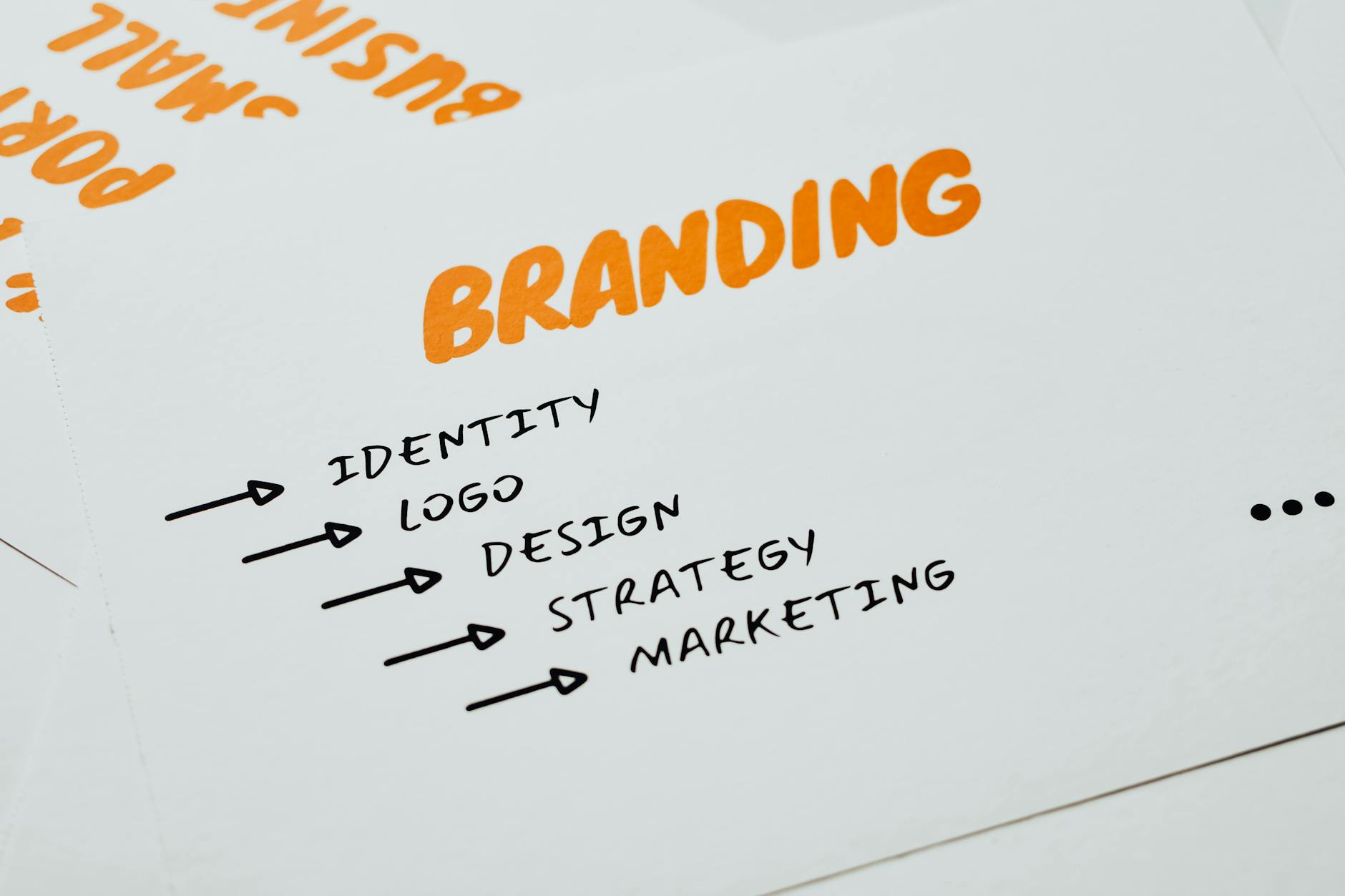
 Photo: Ann H / Pexels
 Photo: Eva Bronzini / Pexels
 Photo: Eva Bronzini / Pexels
 Photo: Kindel Media / Pexels