
Top Corporate Team Building Activities Ideas for Success
Unlock your team's full potential with innovative and engaging activities designed to foster unity and achieve shared goals.
Explore Activities NowKey Takeaways
- ✓ 90% of employees believe team building improves communication.
- ✓ Companies with engaged employees outperform competitors by 202%.
- ✓ Effective team building can reduce employee turnover by up to 50%.
- ✓ Over 75% of US companies invest in team building annually.
How It Works
Identify specific areas for improvement, such as communication, problem-solving, or morale. Tailor your activity choices to address these key objectives.
Choose from a diverse range of options, considering your team's size, budget, and desired outcomes. Focus on activities that encourage active participation and interaction.
Handle logistics, communicate clearly with participants, and ensure all necessary resources are available. A well-organized event enhances the overall experience and impact.
Facilitate a discussion about lessons learned and how they apply to the workplace. Reinforce positive behaviors and integrate new insights into daily operations.
Understanding the Power of Effective Team Building Exercises
 Photo: Diva Plavalaguna / Pexels
Innovative Indoor Corporate Team Building Activities
 Photo: RDNE Stock project / Pexels
Engaging Outdoor Corporate Team Building Activities
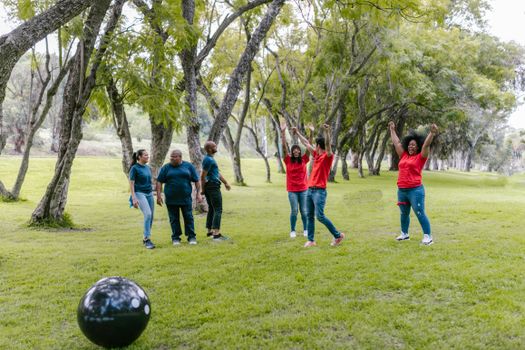 Photo: RDNE Stock project / Pexels
Maximizing Impact: Tips for Successful Team Building & Common Mistakes to Avoid
 Photo: Andrea Piacquadio / Pexels
Comparison
| Feature | Escape Room | Culinary Challenge | Outdoor Ropes Course | Virtual Reality Experience |
|---|---|---|---|---|
| Collaboration | High | High | High | High |
| Problem Solving | Excellent | Good | Moderate | Excellent |
| Physical Exertion | Low-Moderate | Low | High | Low |
| Trust Building | Moderate | Moderate | Excellent | Moderate |
| Indoor/Outdoor | Indoor | Indoor | Outdoor | Indoor |
| Cost per Person | Moderate | Moderate-High | High | Moderate-High |
| Scalability | Limited | Good | Limited | Limited |
| Fun Factor | ✓ | ✓ | ✓ | ✓ |
What Readers Say
"Our team tried a virtual escape room based on these corporate team building activities ideas, and it was a game-changer! Communication improved dramatically, and we uncovered hidden leadership skills among our junior staff. Highly recommend for any remote team."
Sarah J. · New York, NY"The culinary challenge suggestion brought our marketing and sales teams together in a way I hadn't seen before. The friendly competition and shared meal fostered incredible bonding. We're already planning our next event!"
Mark T. · Austin, TX"After implementing several of these corporate team building activities ideas, our project completion rates increased by 15% due to better cross-functional collaboration. The investment truly paid off in tangible results for our engineering department."
Emily R. · Chicago, IL"We opted for an outdoor scavenger hunt, which was mostly successful. While the team loved the adventure, a clearer debriefing session could have helped connect the experience more directly to our daily work challenges. Still, a fantastic morale booster."
David L. · San Francisco, CA"As a new manager, I used these ideas to plan our first team retreat. The 'Design Thinking Workshop' was incredibly engaging and helped my diverse team align on our Q3 goals. Everyone felt heard and valued, leading to a much stronger team dynamic."
Jessica M. · Miami, FLFrequently Asked Questions
What are the most searched corporate team building activities ideas for remote teams?
For remote teams, virtual escape rooms, online trivia, collaborative online gaming, and virtual cooking classes are highly popular. These activities are designed to foster interaction, communication, and problem-solving despite geographical distances, often leveraging video conferencing tools and specialized platforms to create engaging experiences.
Is team building really worth the investment for small businesses?
Absolutely. For small businesses, team building can be even more critical. It helps establish a strong company culture early on, improves communication among a close-knit group, and ensures everyone is aligned with the company's vision, leading to higher productivity and employee retention without the overhead of larger corporations.
How do I choose the right team building activity for my specific team?
Start by identifying your team's specific needs and challenges (e.g., communication, trust, conflict resolution). Consider their demographics, interests, and physical capabilities. Finally, define your budget and desired outcomes. A good activity will align with these factors and offer opportunities for reflection and application to the workplace.
What's the typical cost range for corporate team building activities?
The cost can vary widely, from free or low-cost internal activities like office Olympics to high-end facilitated events or multi-day retreats costing hundreds per person. Factors include location, duration, complexity, external facilitators, and inclusions like food or transportation. It's crucial to budget based on your objectives and team size.
How do corporate team building activities compare to casual social gatherings?
While both can foster camaraderie, corporate team building activities are typically structured with specific objectives in mind, such as improving communication or problem-solving skills. Casual social gatherings are more about informal bonding. Effective team building integrates fun with a clear purpose and often includes a debriefing session to connect the experience to workplace learning, which social gatherings usually lack.
Who should be involved in planning corporate team building activities ideas?
Ideally, a small committee comprising HR representatives, team leaders, and even a few general employees should be involved. This diverse group can provide varied perspectives, ensure inclusivity, and increase buy-in from the wider team, leading to more relevant and engaging activity choices.
Are there any safety concerns with outdoor team building activities?
Yes, safety is paramount. For outdoor activities, especially those involving physical exertion or adventure elements like ropes courses, it's crucial to choose reputable providers with certified instructors and comprehensive safety protocols. Always ensure participants are aware of any physical requirements and have appropriate gear. Clear communication regarding risks and emergency procedures is also essential.
What are the future trends in corporate team building activities?
Future trends point towards more personalized, data-driven, and hybrid experiences. Expect increased integration of technology (VR/AR), a greater focus on mental well-being and mindfulness, and activities that emphasize social impact and sustainability. There will also be a continued rise in flexible options that cater to both in-person and remote team members simultaneously.
Ready to transform your team's dynamics and achieve unparalleled success? Explore these corporate team building activities ideas and implement a strategy that fosters collaboration, boosts morale, and drives your organization forward. Start building a stronger, more cohesive team today.